
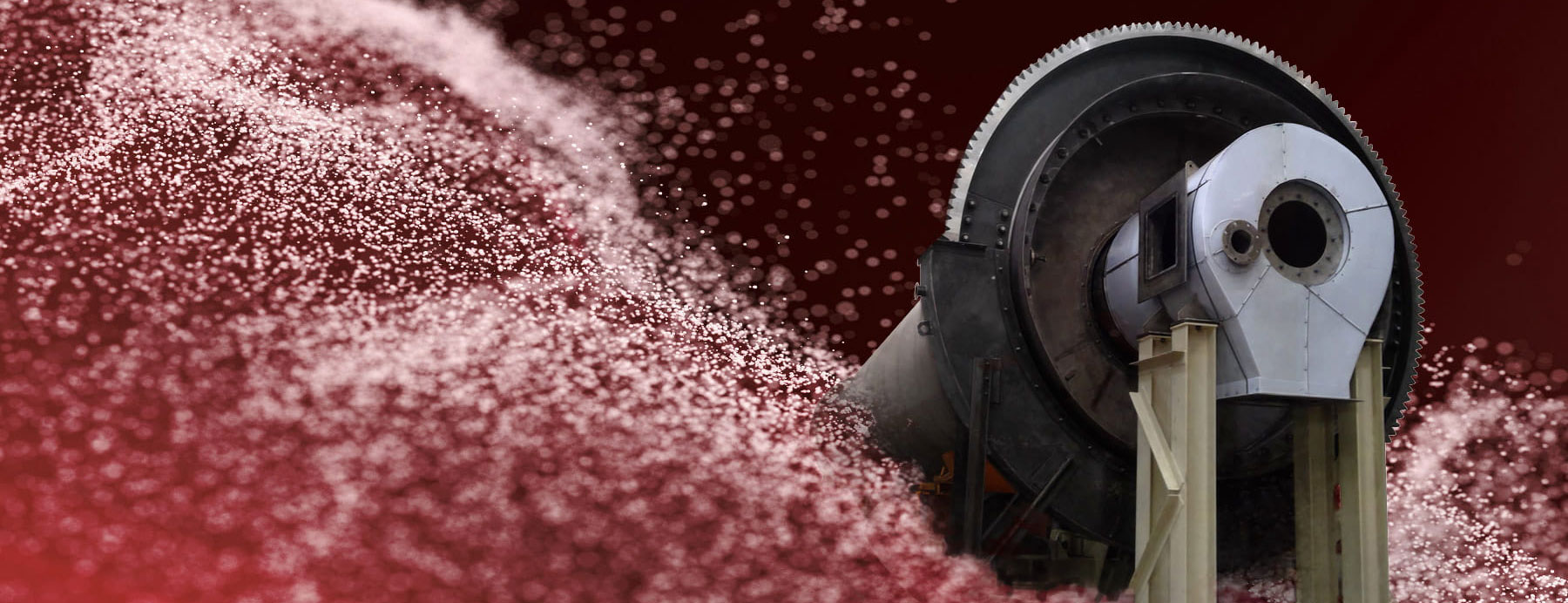
Why Bulk Powder Handling Matters for Modern Manufacturing
Bulk powder handling is the systematic process of moving, storing, mixing, and processing dry particulate materials through industrial equipment while maintaining product quality, preventing contamination, and ensuring worker safety.
Key aspects of bulk powder handling include:
- Material Transport: Pneumatic, mechanical, and gravity-fed conveying systems
- Storage Solutions: Silos, hoppers, and bins designed for proper material flow
- Processing Equipment: Mixers, blenders, dryers, and screening systems
- Dust Control: Collection systems to maintain air quality and prevent explosions
- Sanitation: Clean-in-place (CIP) and clean-out-of-place (COP) protocols
- Product Changeover: Procedures to prevent cross-contamination between batches
As one industry expert noted: “Powder has always been one of the trickiest things for food and beverage plants to handle. It’s messy, intrusive, sometimes abrasive, prone to leak or escape – and, when it does, it often coats nearby surfaces and is hard to clean up.”
The stakes are high. Cross-contamination can ruin entire batches. Poor flow creates costly bottlenecks. Inadequate dust control poses serious safety risks, including combustible dust explosions.
Modern manufacturing demands efficient powder handling across diverse industries. Food processors need allergen control between product runs. Pharmaceutical companies require sterile conditions to meet FDA standards. Chemical manufacturers must handle toxic materials safely while maintaining product purity.
With over 19,000 materials tested by leading engineering firms and billions in settlements from contamination incidents, the importance of proper bulk powder handling has never been clearer.
The Core Challenges of Powder Handling & Product Changeovers
Working with bulk powder handling is complex. Some powders flow like silk, others stick like glue, and some create chaos. Powders are inherently tricky: they’re messy, sometimes abrasive, and can escape containment to coat everything in sight. This creates not just a cleaning headache, but potential safety hazards and product quality issues.
Key Challenges in Bulk Powder Handling
Every powder processing facility faces a unique set of challenges that can make or break operational success. Understanding these obstacles is the first step toward conquering them.
Cross-contamination stands as perhaps the most costly challenge. Even microscopic residues from a previous batch can compromise your next product run. The consequences? Expensive recalls, regulatory fines, and damaged brand reputation. One industry expert captured this perfectly: “Many of our customers handle a wide variety of materials and have concerns about cross-contamination when changing from one material to another.”
Powder characteristics create their own set of headaches. Each material has its own personality based on particle size, shape, density, and moisture content. Bridging occurs when particles interlock and form an arch that blocks material flow. Rat-holing creates funnel-shaped channels that leave stagnant material around the edges. Segregation separates particles by size or density, destroying product consistency.
Then you have the troublemakers: sticky powders that cling to every surface and abrasive materials that wear down your equipment faster than you can say “maintenance budget.”
Dust generation isn’t just messy – it’s dangerous. Fine particles pose serious operator safety risks through inhalation. Even more concerning are combustible dust hazards. Many organic powders, when suspended in air at the right concentration, can ignite and cause devastating explosions. This makes hazard avoidance and risk management absolutely critical.
Maintaining product integrity and batch-to-batch consistency requires constant vigilance. Poor blending or segregation can create inconsistent products that fail quality standards. For food processors, allergen control adds another layer of complexity where even trace amounts can pose serious health risks.
Finally, there’s the time factor. Product changeover downtime directly impacts your bottom line. Every minute spent cleaning between batches is a minute lost from production. The challenge becomes balancing thorough cleaning with operational efficiency.
We’ve seen these challenges countless times across different industries. For deeper insights into avoiding common pitfalls, explore our comprehensive white paper on Averting Powder Bulk Solids Processing & Handling Issues.
Managing Frequent Product Changeovers
Today’s market demands variety and flexibility. Smaller batch sizes and frequent product changeovers have become the new normal, making efficient cleaning and sanitation more critical than ever.
Cleaning validation is non-negotiable in regulated industries like pharmaceuticals and food processing. You must prove that all contaminants are removed to acceptable levels—and the documentation to prove it better be bulletproof.
Reducing downtime becomes a strategic imperative when changeovers happen multiple times per day. Equipment designed for rapid, thorough cleaning can make the difference between meeting production targets and falling short.
Minimizing material waste during changeovers protects your profit margins. Inefficient cleaning procedures or poor equipment design can lead to significant product loss during transitions.
The complexity doesn’t stop there. Scheduling complexity multiplies when you need to coordinate production runs with cleaning cycles. Some facilities resort to dedicated processing lines for highly sensitive materials or strict allergen control, though this approach requires significant capital investment.
As one industry sales director noted, “Cleanability is a frequent consideration for a large percentage of our customers. They’re very cognizant of the need to clean between changeovers.” This awareness drives innovation in equipment design and cleaning protocols. For additional strategies on optimizing your changeover process, check out this helpful resource on How to Handle Powder Changeovers.
The key to success lies in choosing equipment designed from the ground up with cleanability in mind—equipment that turns these challenges into manageable routine operations.
Designing for Cleanliness: The Foundation of Efficient Bulk Powder Handling
In bulk powder handling, if your equipment isn’t designed for easy cleaning, you’re fighting an uphill battle. Many facilities struggle with equipment that looks great on paper but becomes a nightmare during changeover.
The secret? Sanitary design principles need to be baked into every component from day one. It’s not something you can bolt on later. As one industry veteran put it, “More-sanitary equipment is being demanded all the time.”
Meeting USDA standards, 3A standards, and FDA compliance isn’t just about checking boxes. It’s about creating equipment that actually works in the real world, where time is money and contamination isn’t an option.
Materials and Finishes for Sanitary Applications
Let’s talk materials. Stainless steel is the gold standard, but not all stainless steel is created equal. 304 stainless steel works fine for many applications, but 316L stainless steel is your best friend when dealing with acidic environments or anything that might cause corrosion.
But here’s where it gets interesting: the finish matters just as much as the material. Smooth surfaces aren’t just pretty – they’re functional. Every microscopic scratch or pit becomes a hiding place for powder residue.
Polished surfaces created through high-grit mechanical polishing give you that mirror-like finish that’s easy to clean. But if you really want to go the extra mile, electropolishing takes it to another level. This electrochemical process removes a thin layer of material, leaving behind an incredibly smooth, passive surface that practically repels contamination.
For those particularly stubborn, sticky powders, non-stick coatings can be a game-changer. Just make sure they can handle your cleaning protocols without breaking down.
Don’t forget about the small stuff. Gasket materials need to be FDA-approved – think silicone, EPDM, or PTFE. The key is making them removable without tools. No adhesives, no permanent seals that turn cleaning into an archaeological dig.
The goal is simple: eliminate crevices wherever possible. Smooth, continuous welds instead of overlapping plates. No sharp corners or dead spaces where material can hide.
Smart Design Features for Easy Cleaning
Let’s look at designing equipment that’s easier to clean.
Tool-less disassembly is a beautiful thing. Imagine taking apart complex equipment using nothing but your hands. No hunting for the right wrench, no stripped bolts, no frustration. When cleaning time comes, operators can quickly access every product-contact surface.
Captive hardware is another stroke of genius. Over-center clamps and attached fasteners mean no more lost screws rolling under equipment or accidentally falling into the next batch. Everything stays exactly where it should be.
For wet cleaning operations, sloped surfaces ensure complete drainage. Standing water is the enemy – it breeds bacteria and creates cleaning headaches. Every surface that might hold liquid should guide that liquid toward a drain.
Accessibility for inspection means you can actually see what you’re cleaning. Large access doors, removable panels, and mobile components that wheel out for cleaning make thorough inspection possible, not just hopeful.
The golden rule? Complete disassembly without tools and internal surfaces without any edges or ledges. This creates the most effective cleanability possible. When powder has nowhere to hide, cleaning becomes straightforward instead of a treasure hunt.
These design features aren’t just nice-to-have conveniences. They’re the difference between efficient changeovers and costly downtime. They’re what separate equipment that works from equipment that works brilliantly.
A Comparative Guide to Cleaning Methods and Conveying Systems
In bulk powder handling, the right cleaning approach can prevent costly headaches. The fundamental choice is whether to clean equipment in place or take it apart for thorough washing.
The cleaning world essentially boils down to two approaches: dry cleaning and wet cleaning. Each has its strengths, and honestly, most facilities end up using both depending on what they’re handling.
Dry cleaning relies on high-pressure air, brushes, or vacuum systems to sweep away residual powders. It’s wonderfully fast and sidesteps the whole drying dilemma entirely. But here’s the catch – it might leave you scratching your head when dealing with sticky residues or when you need pharmaceutical-grade cleanliness.
Wet cleaning brings out the big guns with water and cleaning chemicals, either applied by hand or pumped through the system. While more thorough, it creates its own puzzle. The real challenge isn’t washing, but getting everything bone dry afterward. Filters in conveying systems are particularly stubborn and often must be removed for drying, adding to downtime.
Consider this: wet cleaning a rotary valve can take anywhere from 15 minutes to a full hour, depending on what you’re processing and how clean you need it. That’s a significant chunk of production time.
Clean-in-Place (CIP) vs. Clean-out-of-Place (COP)
The CIP versus COP decision shapes your entire cleaning strategy. It’s not just about preference – it’s about matching your method to your materials and production demands.
Clean-in-Place (CIP) systems are the speed demons of the cleaning world. They’re faster for frequent cleaning, reduce labor costs, and keep your system intact by avoiding the disassembly dance. The beauty lies in automation – set it and forget it while the system flushes itself clean. This approach shines when you’ve got equipment designed for thorough flushing and drying without human intervention.
But CIP has its limits. Stubborn, sticky residues can laugh in the face of even the most sophisticated spray systems. Complex geometries with hard-to-reach nooks and crannies might harbor contaminants despite your best efforts. The effectiveness depends entirely on proper spray coverage and flow patterns – miss a spot, and you’ve got problems.
Clean-out-of-Place (COP) takes the hands-on approach. It’s often more thorough because you can see what you’re cleaning and apply some good old-fashioned elbow grease where needed. When you absolutely, positively need every particle gone – think pharmaceutical applications or allergen control – COP delivers the peace of mind that comes with visual confirmation.
The trade-off? COP is labor-intensive and requires the patience of a saint for disassembly and reassembly. Equipment mobility becomes crucial here – those hoppers that wheel out for cleaning aren’t just convenient, they’re game-changers.
Most successful operations use a hybrid approach: CIP for routine cleaning between similar products, and COP for the deep-clean sessions or when switching between dramatically different materials. For more insights into optimizing these processes, explore our bulk powder processing resources.
Comparing Conveyor Cleanability
Your conveying system choice dramatically impacts cleaning efficiency. Think of conveyors as the highways of your bulk powder handling operation – and some highways are much easier to sweep clean than others.
Pneumatic conveying systems earn gold stars for cleanability. Material travels through enclosed tubes via air pressure, meaning fewer moving parts contact your product and fewer internal surfaces collect residue. The system flushes beautifully with cleaning air or, when properly designed, handles wet cleaning like a champion. The enclosed design also means dust-free operation and flexible routing options.
Flexible screw conveyors take second place in the cleanability race. The flexible spiral removes easily for thorough cleaning, and the smooth tubes provide good access for inspection and washing. They’re also budget-friendly and handle everything from free-flowing to semi-sticky powders with grace.
Tubular cable conveyors offer clever cleaning solutions that would make any engineer smile. These systems use disks strung on cables to carry product through stainless steel tubes. Some include flexible urethane disks slightly larger than the tube diameter – they act like internal squeegees, constantly wiping the walls clean. Others feature brush boxes with rotating brushes that knock particles off disks as they pass. One particularly ingenious trick involves dragging cleaning sponges saturated with chemicals through the tube on the cable system.
Aeromechanical conveyors, while excellent for high-capacity, gentle handling, present the biggest cleaning challenges for frequent changeovers. The internal moving parts – disks, cables, and bearings – create multiple surfaces where material can accumulate. As one industry expert noted, these systems work best when you have plenty of time between product runs and aren’t dealing with sanitary applications.
The conveying system you choose sets the tone for your entire cleaning protocol. Get it right, and changeovers become routine. Get it wrong, and you’ll spend more time cleaning than producing.
Optimizing Your Process: Key Equipment and Dust Management
To optimize your bulk powder handling operation, the details matter. Beyond conveyors, your mixing, blending, and material handling equipment can mean the difference between a smooth changeover and a maintenance nightmare. Let’s explore the key pieces that deserve your attention.
The heart of any powder processing line often beats in the mixing room. But here’s the thing – not all mixers are created equal when it comes to cleaning. The same goes for those dust collection systems that keep your operators breathing easy and your facility compliant.
Features to Look for in Mixers and Blenders
Picture this: you’ve just finished a batch of vanilla protein powder, and now you need to switch to chocolate. The last thing you want is vanilla specks ruining your chocolate blend – or worse, a cross-contamination issue that shuts down production.
Shaftless designs are your best friend here. Internal shafts, paddles, and bearings create those pesky crevices where powder loves to hide. As one industry expert puts it perfectly: “Food processors looking to reduce changeover times while eliminating cross-contamination should specify mixing and blending equipment that lacks internal shafts and other internal moving parts.”
Rotary batch blenders and V-cone blenders shine in this department. They feature unobstructed interiors that you can actually see into and clean properly. No mysterious corners where yesterday’s product might be lurking.
Don’t overlook high-polish finishes either. That mirror-like stainless steel isn’t just for looks – it prevents material from sticking and makes cleaning dramatically easier. Pair this with full-access doors that open wide enough for thorough inspection and manual cleaning when needed.
The best designs also focus on efficient discharge. When your mixer empties completely with minimal residual material, you’re already ahead of the game before cleaning even begins.
Efficient Bag Unloaders and Dust Collection
Now let’s talk about one of the messiest parts of powder handling – emptying bags. We’ve all seen it: clouds of dust billowing out as bags are dumped, coating everything in sight. Not exactly the picture of efficiency or cleanliness.
Dust-free bag discharge systems change the game entirely. These enclosed designs work hand-in-hand with integrated dust collection to keep the air clean and your operators happy. The key is positioning dust collectors right next to bulk bag unloading points, creating a vacuum that captures dust at its source.
Here’s a clever trick: that same vacuum system can be redirected to the bag itself, drawing out residual powder for a truly clean operation. It’s like having a built-in cleanup crew.
Hopper design matters more than you might think. The best systems ensure that only the neck of the bag contacts the hopper below, minimizing contamination points. Even better are mobile hoppers that can be wheeled out for thorough cleaning – no awkward reaching into tight spaces.
For facilities handling smaller quantities, our 25-kg bag filling systems demonstrate how dust-free operation and sanitation can work together. These systems meet strict food and dairy hygiene standards while maintaining high accuracy – proving you don’t have to choose between cleanliness and performance.
Vacuum systems for bag emptying take this concept even further, creating contained environments where powder moves smoothly without escape. When combined with thoughtful equipment design, these systems transform what used to be a dusty, messy process into something almost neat.
The beauty of focusing on these equipment features lies in how they work together. When your mixers empty cleanly, your bag handlers operate dust-free, and your dust collection systems capture what little does escape, changeovers become faster and more reliable. This integrated approach to equipment design extends throughout our operations, helping us achieve optimal performance across all applications. Learn more about how we’re Streamlining Operations with Cutting-Edge Thermal Processing Equipment.
Ensuring Integrity and Embracing Innovation
The world of bulk powder handling is constantly evolving. As manufacturing demands change, so must our approach to maintaining product integrity and preventing cross-contamination. We must anticipate future challenges and accept innovations to stay ahead.
Process validation remains the bedrock of reliable powder handling. Every step, from material receipt to final packaging, must be documented, tested, and verified. This isn’t just about regulatory compliance – it’s about building confidence in your processes and protecting your brand reputation.
Innovations in Bulk Powder Handling Equipment
The innovations changing our industry are nothing short of remarkable. Discrete Element Modeling (DEM) now allows us to simulate how millions of individual particles behave before we even build equipment. It’s like having a crystal ball for powder flow, helping us optimize designs and eliminate costly surprises.
Automated cleaning cycles have revolutionized how we think about changeovers. Sensors and programmable controllers work together to deliver consistent, validated cleaning every single time. No more guesswork, no more human error – just reliable, repeatable results.
For high-value applications, single-use technologies are changing the game entirely. Disposable liners and bags eliminate cleaning between batches, dramatically reducing changeover times and virtually eliminating cross-contamination risks. It’s especially popular in pharmaceutical manufacturing where product purity is absolutely critical.
Advanced sensor technology gives us real-time insights into moisture content, particle size, and even allergen presence. This constant monitoring helps us catch potential issues before they become expensive problems.
Perhaps most exciting is parallel processing with Intermediate Bulk Containers (IBCs). This approach decouples processing stages, allowing multiple operations to run simultaneously. While one batch is processing, another can be formulating in an IBC. Specialized cone valve technology ensures proper material flow, addressing bridging and rat-holing issues even with challenging powders. The offline cleaning of IBCs means production never has to stop for sanitation.
Some manufacturers are even experimenting with augmented reality applications that let you visualize equipment in 3D on your smartphone. It’s a game-changer for planning and integration.
These innovations directly support the kind of rigorous testing and validation we champion. Our product testing lab plays a crucial role in proving these concepts work in real-world conditions. Learn more about How Product Testing Labs Reduce Risk and Improve ROI in Thermal Processing Projects.
The Future of Powder Processing
Looking ahead, the future of bulk powder handling is being shaped by artificial intelligence and contained processing solutions. AI in process control is already learning from vast datasets to optimize parameters in ways human operators simply cannot match. It predicts maintenance needs, fine-tunes operations, and improves efficiency across the board.
Sustainable practices are no longer optional – they’re essential. The industry is focusing on reducing energy consumption, minimizing waste, and implementing eco-friendly cleaning agents. This includes optimizing conveying routes, recycling process air, and designing equipment for longevity rather than planned obsolescence.
Contained transfer systems represent the ultimate solution for eliminating dust and cross-contamination. Split butterfly valves enable highly contained, aseptic powder transfer between process steps, protecting both product and operators. Robotic powder handling is automating the transfer of high-value or hazardous materials in completely contained environments.
Single-use powder packaging, particularly in pharmaceutical applications, ensures aseptic transfer while eliminating cleaning requirements entirely. It’s a perfect example of how innovation can simultaneously improve safety, efficiency, and product quality.
The convergence of these technologies promises smarter, safer, and more efficient powder handling systems. We’re not just keeping pace with these changes – we’re helping to define what’s possible in modern manufacturing.
Conclusion
The world of bulk powder handling can feel like taming a wild beast.
Sanitary design isn’t just a fancy term; it’s your secret weapon. When you choose polished stainless steel surfaces, design equipment for tool-less disassembly, and eliminate every tiny crevice where contaminants love to hide, you’re building a fortress against cross-contamination. These aren’t optional features – they’re the foundation of everything that follows.
The choice between Clean-in-Place (CIP) and Clean-out-of-Place (COP) methods might seem technical, but it’s really about finding what works best for your specific powders and production schedule. Sometimes you need the speed of CIP, other times the thoroughness of COP. Often, you’ll use both.
We’ve seen how conveying systems make all the difference. Pneumatic and flexible screw conveyors generally clean up much easier than their aeromechanical cousins – a crucial advantage when you’re switching products frequently. Your choice here ripples through every aspect of your operation.
Equipment optimization extends far beyond conveyors. Mixers with shaftless designs and unobstructed interiors clean faster and more thoroughly. Bag unloaders with integrated dust collection systems keep your facility cleaner and your workers safer. Every component matters when you’re building an efficient powder handling system.
The future holds exciting possibilities. Discrete Element Modeling (DEM) helps us predict powder behavior before we even build equipment. Automated cleaning cycles ensure consistency. Parallel processing with IBCs can dramatically reduce downtime. AI integration and contained transfer systems with split butterfly valves are reshaping what’s possible in powder processing.
At Heyl Patterson, we understand these complexities because we live them every day. Our expertise in engineered, high-efficiency thermal processing equipment like dryers, coolers, and calciners comes with a deep appreciation for how powders behave. Our state-of-the-art product testing laboratory ensures we’re not just guessing – we’re proving what works.
Achieving optimal efficiency and safety in your powder processing operations isn’t a destination; it’s an ongoing journey of smart choices and continuous improvement. We’re here to walk that path with you, bringing decades of experience and a genuine commitment to solving your toughest challenges.
Ready to see how the right equipment can transform your powder handling challenges into competitive advantages? Explore our custom-engineered thermal processing equipment and find how we can help streamline your operations.
Last updated on December 19th, 2025 at 02:55 pm