

Dryers & Coolers
Heyl Patterson Thermal Processing has been providing customized and reliable industrial drying solutions for the powder and bulk solids industry since 1874. This extensive experience and knowledge are embedded within the entire team, who design and build every piece of equipment to ensure innovation and maximum efficiency. For drying and cooling applications, we offer customers three main product lines, each perfectly suited for specific applications and materials. We never force a specific technology but work closely with customers to find the best solution, even for challenging materials.
Request A Quote
Let a Heyl Patterson Solutions Expert assist you in obtaining product information and pricing for your next project.
Our Drying & Cooling Process Equipment
Heyl Patterson Thermal Processing: Expertly-Designed Dryers & Coolers for the Powder, Bulk Solids Processing and Material Handling Industry.
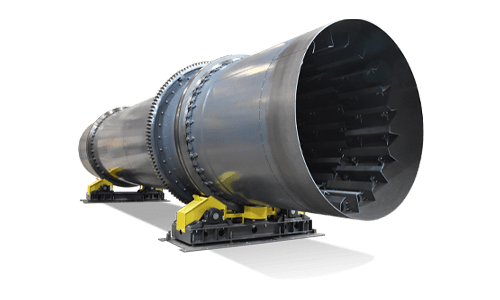
Rotary Dryers & Coolers
Considered the workhorses of the thermal processing industry, nothing beats the ruggedness and versatility of rotary dryers and coolers. Heyl Patterson’s rotary dryers and coolers efficiently process a wide range of materials, from clumped solids to liquid sludges, due to lifting flights specialized for each material. Customize your rotary dryer or cooler by specific starting and final moisture requirements, material temperature limits, air velocity, and retention time.
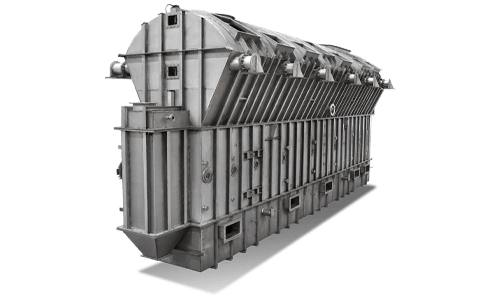
Fluid Bed Dryers & Coolers
Perfect for free-flowing materials, Heyl Patterson’s fluid bed dryers and coolers are some of the largest in the world. Capable of high heat-transfer rates and gentle material handling, fluid beds can be fine-tuned for maximum efficiency specific to each material. Heyl Patterson Thermal Processing offers three main types of fluid beds: Vibrating, Circular Type, and Trough Type.

Flash Dryers
A flash dryer is often the perfect solution when a high-moisture, temperature-sensitive, or very fine material needs to be dried quickly. Heyl Patterson flash dryers ensure that each particle’s drying time is proportional to its size and weight, resulting in a thoroughly dried, degradation-free end product. Flash dryers are also available in a Rotacurrent or Venturijet design.
What is a Rotary Dryer & Cooler?
The Heyl Patterson Rotary Dryer and Cooler is a rotating cylindrical vessel used to remove moisture from bulk solids and liquid sludges, or to reduce product temperature after thermal processing. Its purpose is to deliver continuous, high-capacity drying or cooling with precise control over moisture content, product temperature, and retention time.
How It Works
The Heyl Patterson Rotary Dryer and Cooler uses direct contact between process gas and material to achieve efficient heat and mass transfer. It is engineered around four integrated principles that work together to give processors reliable, high-throughput thermal treatment across a wide range of materials:
Direct-Contact Heat Transfer
Hot process gas flows through the rotating drum in direct contact with the material, maximizing thermal exchange rates for high-moisture feedstocks and large-volume production. Heyl Patterson dryers can be fired with natural gas, LPG, fuel oil, or coal, and can also utilize waste-heat sources such as furnace exhaust or boiler flue gas, giving operators the flexibility to match available energy resources.
Engineered Lifting Flights
Custom-designed internal lifting flights continuously lift and cascade material through the hot gas stream, with alternating 45° and 90° tip configurations that provide uniform showering across the shell cross-section and along its full length. This flight engineering reduces gas short-circuiting and maximizes drying performance, critical for achieving target moisture levels without oversizing the equipment.
Controlled Airflow Configuration
Co-current and counter-current gas flow designs allow engineers to match the airflow pattern to the material’s thermal sensitivity and process requirements. Co-current flow protects heat-sensitive products by exposing them to the highest temperatures when moisture content is greatest, while counter-current flow increases thermal efficiency for materials that can tolerate higher discharge temperatures.
Versatile Cooling Integration
Cooling can be engineered as a standalone stage or integrated directly with the drying process, with options including counter-current air-swept, internal or external water-cooled shells, or combination air and water-cooled designs. This flexibility allows the system to stabilize the product temperature immediately after drying for safe handling, storage, or downstream processing.
Key Benefit
This design is ideal for processing high-volume bulk materials – including minerals, fertilizers, chemicals, biomass, and industrial byproducts – where maximizing throughput, controlling final moisture content, and accommodating variable feed conditions are critical to production efficiency.
Dryers & Coolers FAQs
How do I know if I need a rotary dryer or a rotary cooler for my material?
A rotary dryer is used when reducing moisture content is the priority, while a rotary cooler is used to lower product temperature after processing. If your operation generates heat during drying, a combined dryer/cooler or staged design may be most efficient.
What material properties affect dryer and cooler selection?
Particle size, moisture level, abrasiveness, heat sensitivity, and bulk density all influence equipment choice. Materials that cake or stick may require specialized flights or coatings to maintain flow and prevent buildup.
Can heat recovery be integrated into a dryer or cooler system?
Yes, heat recovery loops can be designed to capture waste heat from exhaust gases and reuse it in the process, lowering fuel consumption and operating costs.
How does the airflow pattern impact drying and cooling efficiency?
Airflow direction (co-current vs counter-current) affects residence time and heat transfer. Counter-current configurations often improve efficiency for tough drying applications, while co-current can be gentler on heat-sensitive materials.
What is the typical timeline from evaluation to installation?
After material testing and design review, fabrication timelines vary by configuration and size but typically range from 12 to 24 weeks from order to delivery. Early material characterization accelerates the process.
Do you offer pilot testing for dryers and coolers before full-scale investment?
Yes, pilot testing and lab trials help validate design assumptions and optimize duty conditions before committing capital to a full-scale system.
Featured Industries
Fertilizer

Rotary dryers and coolers process granular and bulk fertilizer materials, reducing moisture content after granulation and conditioning the product’s temperature for safe conveying, bagging, and storage in continuous, high-capacity production environments.
Sand & Aggregates
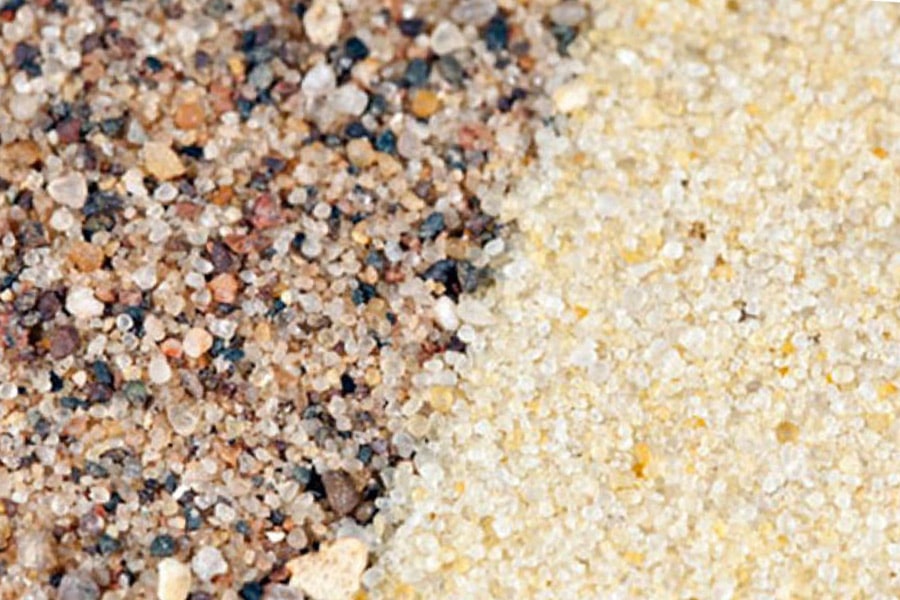
Heyl Patterson rotary dryers handle the high throughput and abrasive nature of sand and aggregate materials, delivering consistent moisture reduction and spec-compliant output for construction, frac sand, and industrial applications.
Coal & Fly Ash
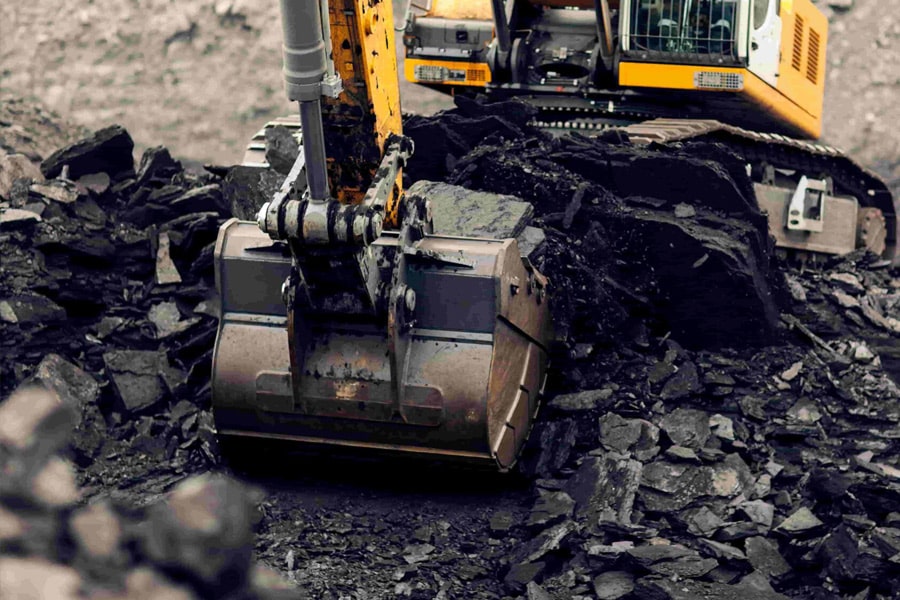
Heyl Patterson rotary dryers reduce moisture in coal and fly ash ahead of downstream processing or transport, with heavy-duty construction engineered for the abrasive, high-tonnage demands of utility and mineral processing operations.