
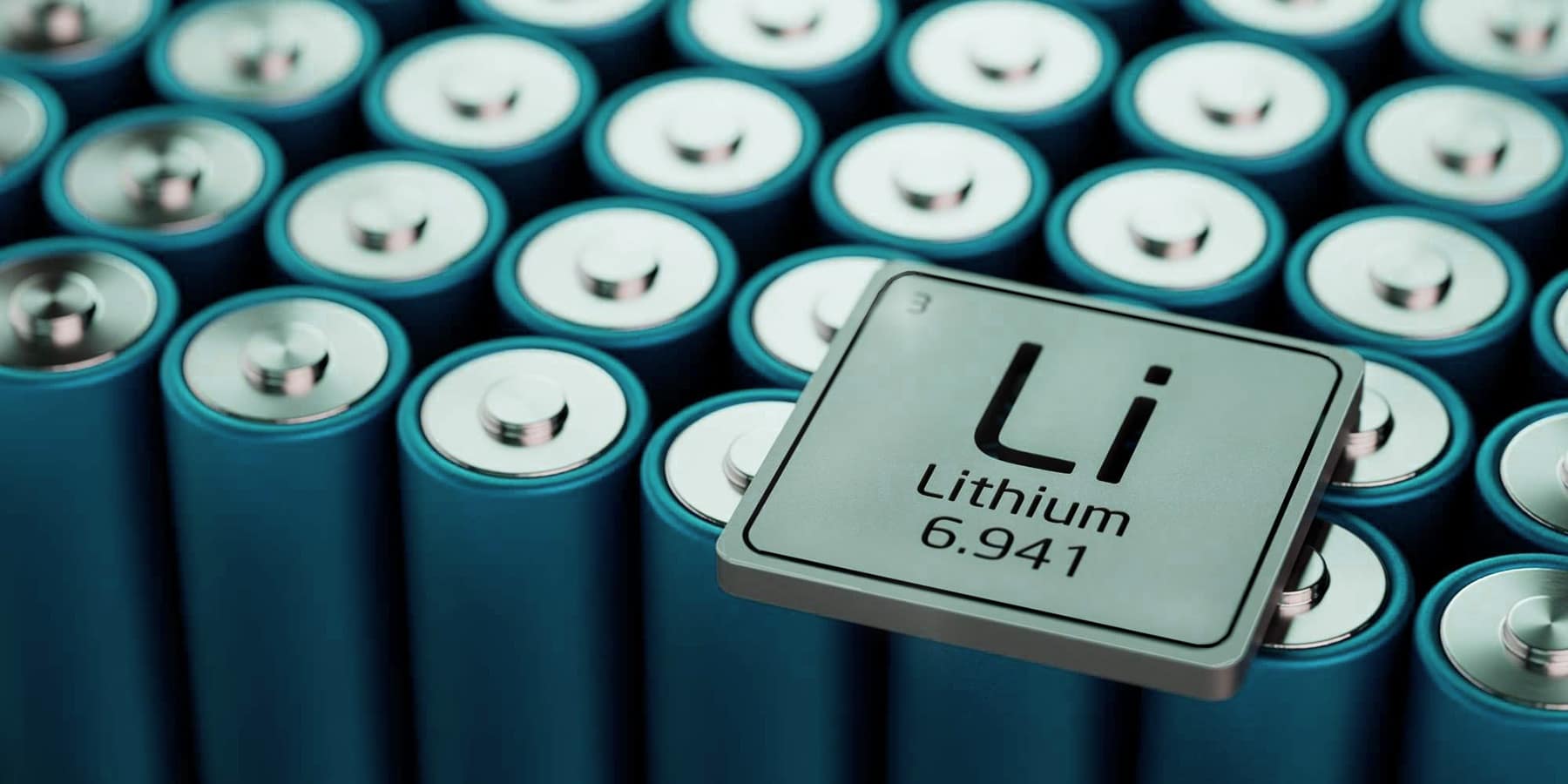
Why Battery Grade Material Production Matters Now More Than Ever
Battery grade material production is the process of converting raw lithium into ultra-pure compounds for electric vehicles, electronics, and grid storage. This is critical as global lithium consumption surged to 134,000 tons in 2022, outpacing production of 130,000 tons.
Key Production Process Overview:
- Raw Material Extraction – Mining hard-rock ores or pumping lithium-rich brine
- Concentration & Beneficiation – Crushing, grinding, and separating lithium minerals
- Thermal Processing – Roasting ore at 1000-1100°C to convert minerals
- Chemical Refining – Leaching and removing impurities through precipitation
- Purification to Battery Grade – Achieving >99.5% purity for lithium carbonate or >99% for lithium hydroxide
- Quality Control – Testing with advanced techniques (ICP-MS, XRD) to meet strict specifications
The stakes are high. The lithium industry needs $42 billion in investment by 2030 to meet demand. However, production faces challenges: China controls 70-90% of refining, U.S. capital costs are 2-7 times higher than overseas, and refining makes up 30-40% of total production costs.
Innovation is reshaping the landscape. Direct Lithium Extraction (DLE) cuts extraction time from months to days. Advanced recycling recovers 95% of lithium from spent batteries using 80% less energy than mining. This proves that battery grade material production can be sustainable and profitable.
For operations managers, this shift means handling materials like spodumene concentrates or recycled black mass with precise temperature control, consistent throughput, and zero contamination tolerance.
Sourcing the “White Gold”: From Earth to Extraction
The journey of battery grade material production begins with extracting lithium from the earth. Understanding its source is fundamental to the entire process. Lithium is sourced from two main environments: underground brine deposits and hard-rock mineral formations. Each method has unique timelines, challenges, and advantages.
In 2022, global lithium production rose 21% to 130,000 tons, yet demand still outpaces supply. This puts immense pressure on all extraction operations. South America’s “Lithium Triangle” is rich in brine deposits, while Australia leads in hard-rock production. Both are vital to the global supply chain.
Lithium Brines: Solar Evaporation
Solar evaporation systems use vast ponds on salt flats to extract lithium from underground reservoirs. Operators pump lithium-rich brine to the surface into large evaporation ponds. Over 18 to 24 months, the sun evaporates the water, concentrating the lithium.
The challenge lies in impurities, especially magnesium. A high magnesium-to-lithium ratio complicates refining, as separating these similar elements is difficult but essential for achieving battery-grade purity.
The high water consumption and large land footprint of this method raise environmental concerns, driving innovation toward more efficient extraction technologies.
Hard-Rock Ores: Mining Key Minerals
Hard-rock lithium mining involves traditional open-pit operations in countries like Australia and Canada. The extracted ore, containing lithium-bearing minerals, is crushed and ground to workable sizes.
Three minerals dominate hard-rock lithium production: spodumene (the workhorse of the industry), petalite, and lepidolite (a lithium-rich mica mineral).
The crushed ore then undergoes froth flotation to separate lithium minerals from waste rock. This produces spodumene concentrate (SC6), a high-lithium-oxide material ready for further processing.
Hard-rock mining offers higher lithium concentrations and a faster timeline (weeks vs. 18-24 months for brine). For thermal processing operations, this provides a more consistent feedstock on shorter cycles.
| Feature | Lithium Brine Extraction | Hard-Rock Mining (Spodumene) |
|---|---|---|
| Primary Source | Underground salt-rich water (salar brines) | Igneous rocks, pegmatites |
| Extraction Method | Pumping, solar evaporation, chemical precipitation | Open-pit mining, crushing, grinding, froth flotation |
| Lithium Concentration | Lower (requires concentration) | Higher (minerals contain concentrated lithium) |
| Extraction Timeline | 18-24 months (due to evaporation) | Faster (weeks to months for initial concentrate) |
| Key Challenge | High Mg/Li ratio, high water usage, large land footprint | Energy-intensive, significant waste rock, environmental disturbance |
| Main Output | Lithium chloride (intermediate) | Spodumene concentrate (SC6) |
Both extraction methods lead to the refining stage. The resulting concentrate or brine requires further roasting, leaching, and purification, where thermal processing expertise is critical for battery grade material production.
The Crucial Refining Journey: Battery Grade Material Production
After extraction and concentration, the refining process begins. This is where battery grade material production converts rough concentrates into the ultra-pure compounds needed for batteries, a precision process where trace impurities can cause failure.
Refining involves thermal processing and chemical purification to produce lithium carbonate (Li2CO3) or lithium hydroxide (LiOH). These compounds are also used in glass, ceramics, and lubricants. For a technical overview, see Transformations of Critical Lithium Ores to Battery-Grade Materials.
The refining path differs for hard-rock ore and brine, each requiring specialized equipment to maintain precise conditions for high-purity output.
From Spodumene to High-Purity Lithium
Processing spodumene concentrate is energy-intensive but effective. The primary challenge is that raw alpha-spodumene (α-spodumene) is chemically resistant to extraction.
Calcination is the critical step. Heating the concentrate to 1000–1100°C in a rotary calciner converts it to the more reactive beta-spodumene (β-spodumene). This phase conversion is essential for efficient downstream extraction.
After calcination comes sulfuric acid roasting. The beta-spodumene reacts with sulfuric acid, forming water-soluble lithium sulfate. We then perform water leaching to dissolve this lithium sulfate while leaving behind insoluble silicate residues.
Now we have lithium sulfate in solution, but it’s far from pure. The solution contains unwanted guests like iron, aluminum, and magnesium. These impurities must be carefully removed through a series of purification steps. We adjust pH levels and use selective precipitation to eliminate these contaminants one by one.
The final change happens when we add sodium carbonate to the purified lithium sulfate solution. This causes lithium carbonate to precipitate out as a solid. After washing and drying, we achieve the battery-grade purity that manufacturers demand.
From Brine to Battery-Grade Compounds
Refining lithium from brines is different. After solar evaporation concentrates the lithium chloride, the main challenge is removing stubborn impurities like magnesium and boron. The high magnesium-to-lithium ratio is a major refining hurdle.
Purification typically involves chemical precipitation, solvent extraction, or ion exchange to selectively remove unwanted ions while leaving the lithium in solution.
A key development is Direct Lithium Extraction (DLE) technology. DLE extracts lithium directly from brine, cutting processing time from 18 months to days and eliminating large evaporation ponds. This promises to revolutionize battery grade material production from brines by improving speed and reducing environmental impact, making production more efficient and sustainable.
In refining, precision thermal processing equipment is essential. Exact temperatures, consistent throughput, and contamination-free conditions are mandatory to produce battery-grade material and avoid costly waste.
Ensuring Excellence: Purity and Quality Control
In battery grade material production, purity is non-negotiable. Like a grain of sand in an engine, trace impurities in a lithium-ion battery can degrade performance, reduce lifespan, and compromise the safety of EVs and electronics.
The standards are demanding: >99.5% purity for lithium carbonate and >99% for lithium hydroxide. These thresholds are based on research into long-term battery reliability.
Impurities like sodium, potassium, calcium, or magnesium disrupt the battery’s electrochemistry. They cause side reactions, destabilize the cathode, and reduce capacity and lifespan, potentially leading to safety failures.
However, recent research is challenging assumptions about absolute purity. A study on Re-evaluation of battery-grade lithium purity toward sustainable batteries found that for certain cathodes, a controlled 1% of magnesium improved battery performance, cut costs by 19.4%, and reduced CO2 emissions by 9.0%. This shows the importance of understanding which elements are truly detrimental.
Verifying these standards requires advanced analytical techniques. Inductively Coupled Plasma Mass Spectrometry (ICP-MS) detects impurities at parts-per-billion levels. X-ray Diffraction (XRD) confirms the correct crystalline structure.
Additional techniques like ICP-OES, Glow Discharge Mass Spectrometry (GDMS), Laser Ablation ICP-MS (LA-ICP-MS), and Laser-Induced Breakdown Spectroscopy (LIBS) provide comprehensive analysis and real-time feedback during production.
These tools are the backbone of quality assurance, safeguarding performance and safety. For operations managers, this highlights why precise process control in thermal equipment is critical. A slight variation during calcination can lead to quality failures detected only in these final analytical tests.
When thermal processing is done right, the result is material that consistently meets these demanding standards. That’s the promise of modern battery grade material production – turning raw ore into compounds pure enough to power our electrified future.
Overcoming Problems: Challenges and Innovations in Lithium Production
Reliable battery grade material production faces significant problems that could slow the energy transition.
The most glaring issue is geographic concentration. China controls 70-90% of battery-grade lithium refining, creating a supply chain bottleneck vulnerable to disruptions, similar to the recent microchip shortage.
The financial challenge is also daunting. The industry needs $42 billion in investment by 2030 to meet demand, per a Benchmark Minerals analysis. Building new U.S. refineries costs 2-7 times more than elsewhere, making it difficult for Western nations to establish domestic capacity, especially since refining already accounts for 30-40% of total production costs.
For thermal processing operations, the equipment for calcination and roasting represents a massive investment. Each system must deliver consistent performance to justify the capital outlay.
However, innovation is reshaping the landscape. Direct Lithium Extraction (DLE) technologies cut extraction time from months to days, bypassing evaporation ponds and reducing water and land use. DLE can be deployed closer to end markets, creating localized, resilient supply chains.
The goal isn’t just to produce more lithium – it’s to produce it smarter. We’re seeing companies invest in domestic refining capacity, develop more efficient thermal processing methods, and pioneer recycling technologies that recover lithium from spent batteries. Each innovation chips away at the supply chain vulnerabilities that have plagued our industry.
The thermal processing equipment at the core of battery grade material production must evolve alongside the chemistry. Precision temperature control, consistent throughput, and contamination-free processing aren’t just nice-to-have features anymore. They’re requirements for competing in a market where purity standards are measured in parts per million and production costs determine whether a facility succeeds or shuts down.
The Circular Economy: Sustainability and the Future of Lithium
Traditional lithium mining has a significant environmental impact. As we move to an electrified future, the circular economy and battery recycling are emerging as key solutions, reshaping battery grade material production.
The Environmental Footprint of Battery Grade Material Production
Brine extraction via solar evaporation consumes vast amounts of water, often in arid regions where it is a scarce resource, creating competition with local communities.
Hard-rock mining is also problematic. The energy required for crushing, grinding, and thermal processing (like calcination at over 1000°C) is immense and often relies on fossil fuels, resulting in significant CO2 emissions.
Furthermore, open-pit mines and evaporation ponds disrupt ecosystems and scar landscapes. The chemicals used in processing, like sulfuric acid, pose pollution risks if not managed carefully. The industry recognizes these long-term impacts are unacceptable, which is driving change.
The Rise of Recycling in Battery Grade Material Production
Battery recycling, or “urban mining,” harvests valuable materials from end-of-life batteries. This is not just environmentally sound; it also makes a strong business case.
Recycling batteries dramatically reduces the environmental footprint compared to mining virgin lithium. A Stanford study on Redwood Materials’ process shows it recovers 95% of lithium while using 80% less energy and water, and cutting CO2 emissions by 70%. Details are in Stanford’s comprehensive paper.
Recycling also creates domestic supply chains, reducing reliance on foreign sources. Companies are investing in flexible recycling systems to handle various battery chemistries as demand for recycling is projected to surge at 43% annually with the retirement of early EVs.
Both hydrometallurgy and pyrometallurgy play crucial roles in modern recycling facilities. These processes often rely on thermal processing equipment like calciners to separate and purify recovered materials back to battery-grade quality. The circular loop is closing: batteries powering today’s electric vehicles will become the raw material for tomorrow’s battery grade material production.
This shift toward recycling and sustainable sourcing isn’t just environmentally responsible – it’s becoming economically essential. As virgin lithium sources face increasing scrutiny and costs, recycled materials offer a path to stable, predictable supply chains with a fraction of the environmental burden.
The Next Generation: Future Battery Materials and Trends
The future of battery grade material production is evolving rapidly. With EV sales surging, the focus is shifting from simply producing more lithium to creating better batteries with smarter materials.
Lithium-Sulfur (Li-S) batteries are a promising alternative. They use abundant, inexpensive sulfur for their cathodes instead of nickel, manganese, and cobalt, which are often sourced from sensitive regions. This approach has both economic and environmental benefits.
These batteries also use a lithium-metal anode instead of graphite, requiring new production methods. Companies like Lyten are already pioneering this with U.S. production of battery-grade lithium-metal foils, moving toward supply chain independence.
Solid-state batteries are another frontier, replacing liquid electrolytes with solid ones for greater energy density, faster charging, and improved safety. This will require new thermal processing methods with even greater precision.
The industry is already preparing for this future at an impressive scale. Major manufacturers are expanding their Cathode Active Material (CAM) production capacity to 395,000 tons per year by 2026, with Anode Active Material (AAM) production reaching 113,000 tons annually by the same timeframe. These are massive commitments to scaling up production infrastructure.
For companies involved in thermal processing, these advancements create both challenges and opportunities. The shift to lithium-metal anodes, sulfur cathodes, and solid-state electrolytes means processing materials that behave differently under heat. Calcination temperatures, cooling rates, and contamination tolerances will all need to be reconsidered.
By moving away from rare, geographically concentrated materials toward more abundant alternatives, we’re not just making better batteries – we’re making the entire system more resilient and sustainable. The future of battery grade material production isn’t just about keeping up with demand; it’s about fundamentally rethinking how we source, process, and refine the materials that will power our electric future.
Conclusion
The story of battery grade material production is one of change: turning raw lithium into the ultra-pure compounds that power our world. Every step, from extraction to refining and quality control, is critical.
This article has covered the journey from brine and hard-rock mining to the crucial role of calcination and the impact of impurities. The challenges are significant, including supply chain vulnerabilities due to China’s refining dominance, high capital investment, and the environmental footprint of mining.
However, innovation brings hope. Direct Lithium Extraction is slashing extraction times. Advanced recycling recovers 95% of lithium using 80% less energy and generating 70% less CO2 than mining. With next-gen technologies like Li-S and solid-state batteries emerging, sustainable production is becoming a profitable reality.
The shift toward circular and sustainable models isn’t just an environmental imperative. It’s becoming a competitive advantage. Urban mining is creating localized supply chains, reducing dependence on geopolitically sensitive sources, and turning yesterday’s batteries into tomorrow’s raw materials.
At Heyl Patterson, we’ve been watching these developments closely because thermal processing sits at the heart of this change. Whether you’re calcining spodumene concentrate at 1000-1100°C, processing recycled battery black mass, or developing next-generation battery precursors, precision matters. Our dryers, coolers, and calciners are built for the exacting demands of battery grade material production – where temperature control, consistent throughput, and zero contamination aren’t nice-to-haves, they’re necessities.
Our product testing laboratory exists for one reason: to help you understand exactly how your materials will behave before you commit to full-scale production. We’ve seen how a few degrees of temperature variation or a slight change in residence time can mean the difference between battery-grade purity and costly reprocessing.
As the world races toward electrification and renewable energy storage, the demand for high-quality battery materials will only intensify. The companies that succeed will be those that combine sustainable practices with reliable, efficient processing. We’re here to help you do exactly that – turning the challenges of today’s battery material production into the opportunities of tomorrow’s green energy economy.
Contact us to learn about our material testing capabilities and learn out how precise thermal processing can lift your production quality.
Last updated on October 30th, 2026 at 11:08 am