
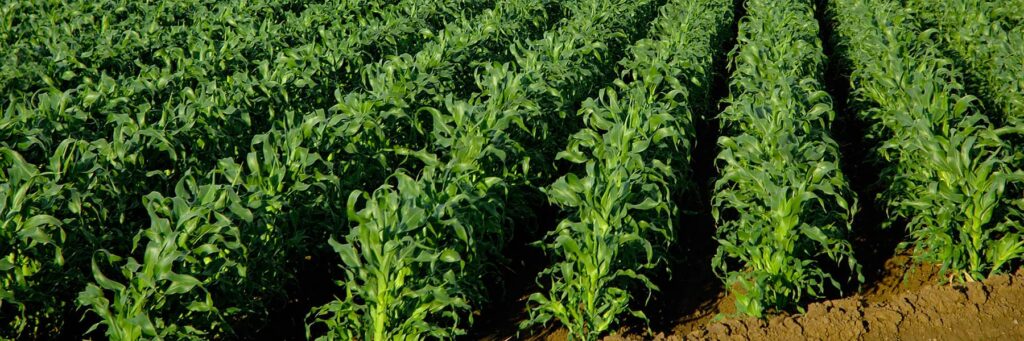
Procesamiento y conversión de biomasa
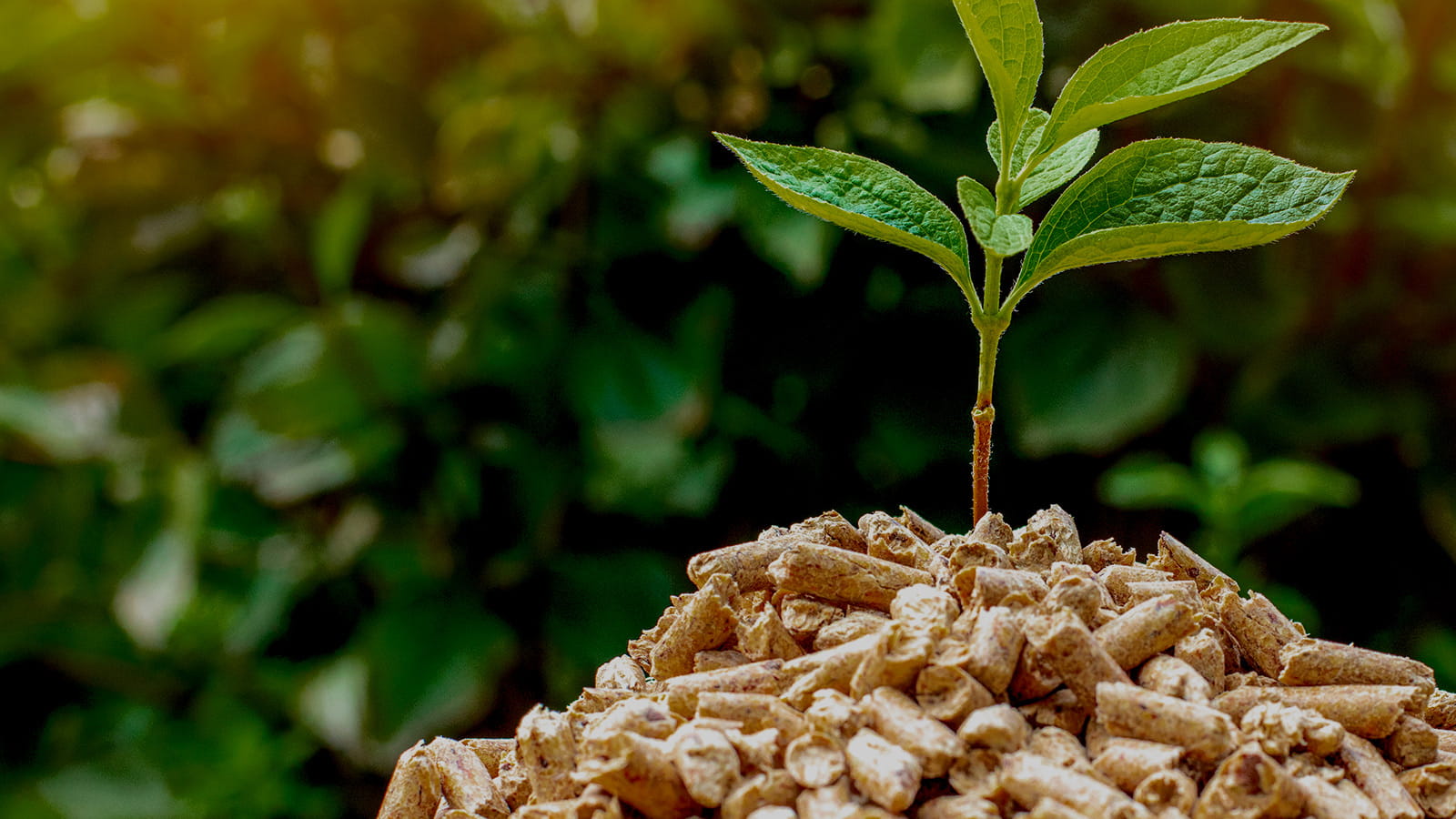
Ofrecemos equipos avanzados de procesamiento térmico que garantizan la eficiencia energética y la fiabilidad en todas las etapas de la conversión de biomasa. Las fuentes de energía renovables, como la biomasa, están ganando terreno a medida que el mundo se aleja de los combustibles fósiles para reducir la huella de carbono. A diferencia de los combustibles fósiles, la biomasa puede ser una fuente de energía neutra en carbono cuando los materiales orgánicos se reponen mediante la replantación o la agricultura. Esta solución energética sostenible es versátil y capaz de generar calor y producir electricidad, o puede convertirse en combustibles líquidos para vehículos y generadores de energía. Cuando se hace correctamente, la producción de energía a partir de biomasa puede mitigar los impactos negativos asociados con el refinado de combustibles fósiles, como el daño al ecosistema.
Thermal Processing Equipment for
Biomass Energy Conversion

Hable con un representante.
Confíe en los expertos y la experiencia de Heyl Patterson para guiarle en cada paso de la selección del equipo adecuado para el beneficio del carbón y las cenizas volantes. Las pruebas de productos se pueden realizar en el Centro de Innovación y Laboratorio de Pruebas de CPEG con su muestra de producto y nuestro equipo de proceso.

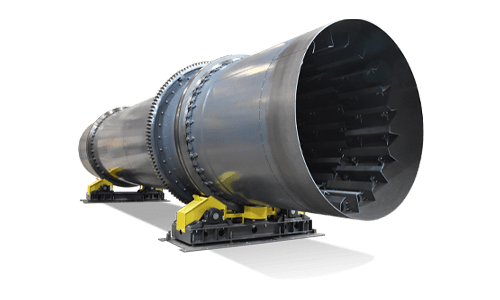
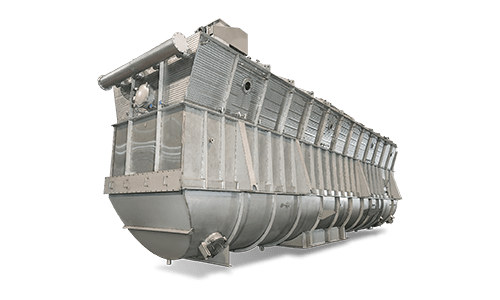
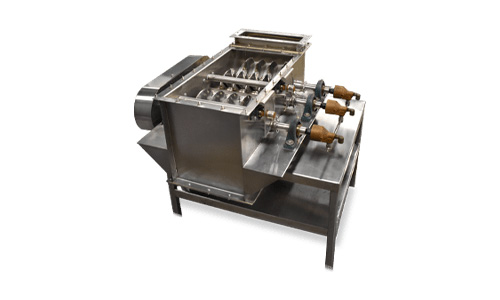
Nuestro compromiso con la tecnología de vanguardia y las prácticas sostenibles nos sitúa a la vanguardia del sector de la biomasa. Nuestros experimentados ingenieros y profesionales destacan en la ingeniería personalizada de maquinaria, como calcinadores rotativos, secadores rotativos, secadores de lecho fluidizado y nuestro procesador térmico multidisco, todos ellos diseñados para manejar materiales de biomasa para la producción de energía sostenible.
Folleto sobre conversión de biomasa

Active, torrefíquese y carbonice cualquier materia prima basada en carbono en un sistema completamente integrado.
Engineered for Efficient Biomass Conversion & Renewable Fuel Production
Biomass & Biofuels Processing Pain Points We Solve
- High and variable moisture content in biomass feedstocks
- Inconsistent material composition (wood, ag waste, organics, fines)
- Dust generation and safety concerns during drying and handling
- Temperature variability impacting fuel quality and energy density
- Material degradation from improper thermal processing
- Buildup and fouling from sticky or fibrous materials
- Energy inefficiencies in large-scale biomass operations
- Throughput limitations in drying, torrefaction, or conversion systems
Biomass processing requires precise thermal control, consistent moisture reduction, and equipment engineered to handle diverse, variable organic materials.
Heyl Patterson Thermal Processing designs rotary dryers, rotary calciners, rotary coolers, and advanced thermal equipment used across biomass conversion and biofuel production.
Our equipment supports the transformation of organic materials into renewable energy, fuels, and value-added carbon products.
We deliver:
- Uniform drying across variable biomass materials
- Custom flight designs for fibrous, light, or fine feedstocks
- Adjustable residence time for moisture control
- High-capacity systems for continuous biomass operations
Efficient drying improves energy output, reduces handling challenges, and prepares biomass for conversion into fuels or other products.
Our equipment supports:
- Pre-treatment prior to gasification or pyrolysis
- Thermal conditioning for consistent feedstock quality
- Moisture and volatile removal
- Preparation for pelletizing or densification
- Stabilization of biomass for storage and transport
Controlled thermal preparation ensures more efficient downstream processing and higher-quality outputs.
Heyl Patterson Thermal Processing equipment supports:
- Biomass torrefaction to produce bio-coal
- Carbonization for biochar and activated carbon
- Removal of volatiles for improved fuel properties
- Controlled thermal conversion of organic materials
Indirect heating separates the heat source from the material, preventing contamination and enabling precise control of the atmosphere for sensitive biomass processes.
Why Choose Heyl Patterson
Biomass Processors Need
- Reliable handling of variable organic feedstocks
- Precise control of moisture, temperature, and residence time
- Safe processing of combustible and dust-prone materials
- High-throughput systems for continuous production
- Equipment designed for fibrous, sticky, or low-density materials
- Custom internals optimized for biomass behavior

Heyl Patterson Thermal Processing Benefits
- Consistent biomass processing across diverse feedstocks
- Reduced energy consumption through efficient heat transfer
- Long equipment life with heavy-duty construction
- High reliability in continuous biomass operations
- Improved fuel quality and energy density
- Custom-engineered systems tailored to your process
Technical Advantages
- Indirect heating for controlled biomass conversion
- High-temperature capability for advanced thermal processes
- Custom internal designs for optimized material flow
- Advanced sealing systems for dust and emissions control
- Engineered insulation for improved energy efficiency
- Robust shell and drive systems for continuous operation
- Atmosphere control (inert, oxidizing, reducing) for sensitive processes
Applications
Biomass Fuel Production
- Drying of wood chips, pellets, and agricultural residues
- Preparation of biomass for combustion or gasification
- Fuel conditioning for energy generation and storage
- Pellet and briquette processing
Biofuels & Renewable Energy
- Thermal preparation for biofuel production
- Pre-treatment for pyrolysis and gasification
- Water purification
- Conversion of biomass into bio-oil, syngas, and biochar
- Feedstock preparation for renewable energy systems
Carbon Products & Advanced Materials
- Mercury removal from stack emissions
- Poison absorption and biochar production
- Activated carbon processing
- Carbonization of organic materials
- Production of sustainable carbon-based products
System Integration Capabilities
Our thermal systems integrate seamlessly with:
- Shredding and size reduction equipment
- Material handling and conveying systems
- Pelletizing and densification systems
- Gasification and pyrolysis units
- Off-gas treatment and emissions control systems
- Feed and discharge automation systems
Every system is custom-engineered to meet:
- Moisture reduction targets
- Residence time requirements
- Heat transfer and temperature profiles
- Atmosphere control (inert, oxidizing, reducing)
- Throughput capacity and plant layout constraints
Complete Process Solutions Beyond Thermal Processing
In partnership with Carrier Process Equipment Group (CPEG), Heyl Patterson Thermal Processing can help integrate complementary equipment and technologies into a fully optimized production line from a single trusted source.
FAQs
What types of biomass can be processed using thermal systems?
Heyl Patterson Thermal Processing equipment can handle wood chips, agricultural residues, pellets, organic waste, municipal solid waste (MSW), cocnut husk, fine biomass materials, and any carbon based feedstocks.
Why is drying critical in biomass processing?
Drying reduces moisture content, improves combustion efficiency, and prepares biomass for conversion into fuels or energy products.
What is torrefaction, and why is it used?
Torrefaction is a low-temperature thermal process that converts biomass into a dry, energy-dense material often referred to as bio-coal.
How do rotary calciners support biomass conversion?
They provide indirect heating, precise temperature control, and atmosphere management for processes like carbonization and activation.
Can biomass systems be integrated into existing energy or processing plants?
Yes. Heyl Patterson Thermal Processing equipment are custom-designed to integrate with upstream and downstream equipment, including pelletizing, gasification, and energy recovery systems.

Asóciese con nosotros.
Heyl Patterson Thermal Processing helps industries transition to sustainable energy by providing custom-engineered rotary dryers and calciners for efficient biomass conversion. Their team partners with producers to deliver complete thermal systems that improve product quality and operational reliability, thereby reducing reliance on fossil fuels.