

Procesamiento químico
La industria química exige precisión, fiabilidad y eficiencia en todos los aspectos de la producción. En Heyl Patterson Thermal Processing, comprendemos los retos únicos a los que se enfrentan los fabricantes de productos químicos y ofrecemos soluciones personalizadas diseñadas para cumplir con los exigentes estándares de la industria. Ya sea que se trate de compuestos volátiles, mezclas complejas o entornos de producción exigentes, nuestros equipos están diseñados para ofrecer resultados consistentes y garantizar los más altos niveles de seguridad y calidad.
Soluciones personalizadas para el procesamiento químico
Nuestros equipos avanzados están diseñados para manejar diversas aplicaciones de procesamiento químico. Desde el secado, enfriamiento y procesamiento térmico hasta la calcinación, ofrecemos soluciones personalizadas que mejoran la productividad y reducen los riesgos operativos. Nuestros expertos trabajan en estrecha colaboración con usted para comprender sus necesidades y desarrollar sistemas que se integren perfectamente en sus procesos existentes.


Hable con un representante.
¿Está listo para optimizar sus operaciones de procesamiento químico? Confíe en nuestros expertos y en nuestra experiencia en el sector para que le guíen en el proceso de selección de equipos. Analicemos sus necesidades y desarrollemos una solución a medida que beneficie a su negocio.
Engineered for Chemical Processing Demands
Chemical Processing Pain Points We Solve
- Inconsistent moisture removal impacting reaction yields
- Poor heat distribution leading to product degradation
- Dust carryover and material loss
- Thermal runaway or hot spots in high-temp processes
- Corrosion and abrasion from reactive chemical streams
- Temperature variability affecting product quality
- Bottlenecks in drying, calcination, or thermal conditioning
- High maintenance costs with non-specialized thermal systems
Chemical processing requires precise temperature control, predictable residence times, and materials-of-construction designed for chemical resistance and safety.
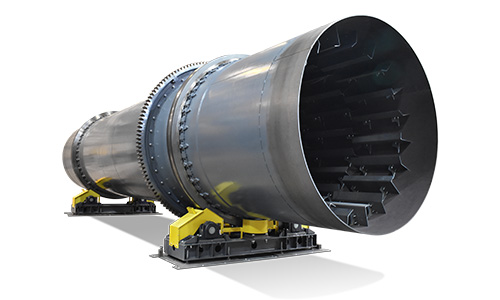
Heyl Patterson Thermal Processing designs and manufactures rotary dryers & coolers, rotary calciners, as well as engineered thermal systems for the chemical industry.
Our thermal systems support key steps in chemical manufacturing from controlled drying and activation to decomposition, coating, and conditioning of powders and intermediates.
We deliver:
- Uniform heat distribution for complete drying
- Adjustable airflow for process optimization
- Material contact surfaces resistant to corrosive products
- Internals engineered to prevent buildup and carryover
We support:
- Thermal activation for improved reactivity
- Controlled decomposition of organics
- Temperature staging to avoid unwanted side reactions
- Conditioning for uniform particle properties
Our equipment supports:
- Controlled cooling zones
- Minimal dust formation during discharge
- Protection of heat-sensitive chemistries
- Even cooling to prevent thermal shock

Why Choose Heyl Patterson Thermal Processing
Chemical Processors Need:
- Designs that handle reactive and corrosive materials
- Precise control of residence time, temperature, and atmosphere
- Systems that perform in continuous, 24/7 operations
- Solutions that minimize product loss and dust carryover
- Custom internals for optimized heat transfer and process control

Heyl Patterson Thermal Processing Benefits
- Consistent thermal profiles for improved product quality
- Reduced operating cost through efficient heat usage
- Longer equipment life with corrosion-resistant materials
- High reliability in demanding chemical production
- Tailored configurations for unique material requirements
Technical Advantages
- Corrosion-resistant liners and internals
- Controlled atmosphere capabilities (inert, oxidizing, reducing)
- Custom lifter and mixing designs for enhanced heat contact
- Advanced sealing systems to prevent fugitive emissions
- Engineered refractory and insulation systems
- Robust shell and drive assemblies for high-duty cycling
- Indirect heating options for highly sensitive material
Applications
Chemical Manufacturing & Intermediate Production
- Drying of chemical powders and intermediates
- Thermal activation of functional materials
- Controlled decomposition for formulation consistency
- Conditioning for downstream packaging and handling
Catalyst & Specialty Chemical Processing
- Catalyst precursor drying and activation
- Controlled thermal transformation for catalysts
- Uniform particle conditioning for surface activity
- Thermal cleaning and surface stabilization
Fine & Specialty Materials
- Temperature-sensitive drying
- Granular stabilization and conditioning
- Thermal modification of polymers, additives, fillers
- Batch or continuous thermal processing
System Integration Capabilities
Our thermal systems integrate seamlessly with:
- Batidoras y licuadoras
- Material handling and conveyors
- Off-gas treatment and emissions control
- Solvent recovery units
- Automated feed and discharge systems
Every system is custom-engineered to meet:
- Residence time requirements
- Heat transfer profiles
- Atmosphere control (inert, oxidizing, reducing)
- Throughput and plant layout constraints
- Corrosion resistance needs
- Regulatory and safety standards
Complete Process Solutions Beyond Thermal Processing
In partnership with Carrier Process Equipment Group (CPEG), Heyl Patterson Thermal Processing can help integrate complementary equipment and technologies into a fully optimized production line from a single trusted source.
FAQ’s: Chemicals Processing
What types of chemical materials can your thermal systems handle?
Our systems are engineered for powders, granules, catalysts, intermediates, fillers, and heat-sensitive chemistries, including corrosive and fine materials.
Can you control atmospheres for sensitive chemical processes?
Yes – systems can be configured for inert, oxidizing, or reducing atmospheres to maintain product integrity and safety.
How do I prevent dust carryover in chemical drying?
Advanced sealing, internal designs optimized for airflow, and integrated dust control systems minimize carryover.
Are rotary calciners suitable for chemical activation?
Absolutely. Rotary calciners provide controlled heat exposure and customizable temperature zones for activation or decomposition steps.
Can these systems integrate into existing chemical processing lines?
Yes – designs are tailored to your layout, material handling, emissions controls, and automation systems.

Asóciese con nosotros.
As chemical manufacturing evolves with tighter quality standards and more demanding thermal workflows, you need reliable, efficient, and customized thermal processing equipment.
Heyl Patterson Thermal Processing is your partner in powering chemical production with advanced systems purpose-built for your materials, process conditions, and operational goals.