

Residuos y reciclaje
Los equipos de gestión de residuos y reciclaje de Heyl Patterson están diseñados para una gestión eficiente de los residuos industriales, procesando lodos como hidróxido metálico y estiércol, así como productos de desecho como baterías, vidrio, tierra y basura. Nuestros secadores, enfriadores y calcinadores garantizan un control preciso de la temperatura con un tiempo de retención ajustable, lo que acelera el procesamiento y el reciclaje para convertir los residuos en productos utilizables.

Hable con un representante.
Confíe en los expertos y la experiencia de Heyl Patterson para guiarle en cada paso de la selección del equipo adecuado para el beneficio del carbón y las cenizas volantes. Las pruebas de productos se pueden realizar en el Centro de Innovación y Laboratorio de Pruebas de CPEG con su muestra de producto y nuestro equipo de proceso.
Engineered for Efficient Waste Conversion & Material Recovery
Waste & Recycling Processing Pain Points We Solve
- Inconsistent moisture content in sludges and waste streams
- Difficulty processing mixed or variable feedstocks
- Dust carryover and loss of recoverable material
- Material buildup or fouling in conventional equipment
- Temperature variability impacting conversion or recovery efficiency
- Handling challenges with sticky, hazardous, or fine materials
- High operating costs from inefficient drying or thermal systems
- Throughput limitations in waste-to-resource processing lines
Waste and recycling operations require robust thermal systems capable of handling diverse, variable materials while maintaining precise control over temperature and residence time.
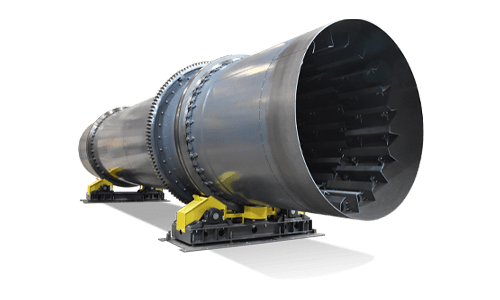
Heyl Patterson Thermal Processing designs rotary dryers, rotary calciners, rotary coolers, and engineered thermal systems used across industrial waste processing and recycling applications.
Our equipment support the conversion of waste materials into usable products helping reduce environmental impact while improving operational efficiency and resource recovery.
We deliver:
- Uniform drying for consistent material output
- Systems designed for liquid sludges, bulk solids, and mixed waste
- Configurations for direct or indirect heat transfer
- Durable designs for abrasive, sticky, or corrosive materials
Rotary dryers are widely used to process diverse materials, including sludges and waste streams, while maintaining consistent performance.
Our equipment support:
- Removal of moisture prior to recycling or processing
- Thermal conditioning for material stabilization
- Pre-treatment before separation or chemical processing
- Preparation of waste streams for reuse or energy recovery
- Volume reduction and material densification
Thermal processing plays a key role in converting waste into usable materials while improving process efficiency.
Heyl Patterson Thermal Processing equipment supports:
- Thermal desorption and contaminant removal
- Conversion of waste into reusable or value-added products
- Controlled decomposition of organic or hazardous materials
- Processing of fine, dusty, or sensitive waste streams
Indirect heating allows precise temperature control and prevents contamination, making it ideal for sensitive or hazardous waste materials.

Why Choose Heyl Patterson
Waste & Recycling Operators Need
- Equipment capable of handling variable and mixed waste streams
- Precise control of temperature and residence time
- Reliable drying and thermal treatment for diverse materials
- Systems designed for abrasive, corrosive, or hazardous materials
- Continuous-duty performance for high-throughput operations
- Custom internals optimized for challenging material behavior

Heyl Patterson Thermal Processing Benefits
- Consistent processing across highly variable waste feedstocks
- Reduced operational costs through efficient thermal systems
- Long equipment life with heavy-duty construction
- High reliability in continuous waste processing environments
- Improved material recovery and reuse potential
- Custom-engineered systems tailored to your waste stream
Technical Advantages
- Indirect heating options for sensitive or hazardous materials
- High-temperature processing capabilities for waste conversion
- Custom internal designs for optimized heat transfer
- Advanced sealing systems to control emissions and dust
- Engineered insulation for energy efficiency
- Robust shell and drive systems for demanding applications
- Configurable systems for a wide range of waste streams
Applications
Industrial Waste Processing
- Drying of industrial sludges and filter cakes
- Processing of metal hydroxide waste
- Soil remediation and contaminated material treatment
- Volume reduction and stabilization of waste materials
Recycling & Resource Recovery
- Thermal preparation of recyclable materials
- Drying and conditioning of plastics, glass, and metals
- Waste-to-product conversion processes
- Preparation for downstream separation or reuse
Waste-to-Energy & Alternative Fuels
- Biomass and organic waste drying
- Pre-treatment for thermal conversion processes
- Preparation of feedstock for energy recovery
- Carbon-based material processing
System Integration Capabilities
Our thermal systems integrate seamlessly with:
- Material handling and conveying systems
- Shredding and sorting equipment
- Separation and recycling systems
- Off-gas treatment and emissions control systems
- Feed and discharge automation systems
- Downstream processing or energy recovery systems
Every system is custom-engineered to meet:
- Moisture reduction targets
- Residence time requirements
- Heat transfer and temperature profiles
- Throughput capacity and plant layout constraints
- Environmental and regulatory requirements
Complete Process Solutions Beyond Thermal Processing
In partnership with Carrier Process Equipment Group (CPEG), Heyl Patterson Thermal Processing can help integrate complementary equipment and technologies into a fully optimized production line from a single trusted source.
FAQs
What types of waste materials can be processed with thermal systems?
Heyl Patterson Thermal Processing equipment can handle sludges, filter cakes, biomass, plastics, contaminated soils, industrial byproducts, and mixed waste streams.
Why is drying important in waste processing?
Drying reduces volume, improves handling, and prepares materials for recycling, disposal, or energy recovery.
How do rotary calciners support waste recycling?
They provide controlled, indirect heating for processes like thermal desorption, decomposition, and material conversion without contamination.
Can waste processing systems handle variable feedstocks?
Yes. Systems are engineered to manage fluctuations in moisture, particle size, and composition while maintaining consistent output.
Can Heyl Patterson Thermal Processing equipment integrate into existing recycling operations?
Yes. Equipment is custom-designed to integrate with upstream sorting, shredding, and downstream recovery or disposal systems.
Asóciese con nosotros.
As waste and recycling operations evolve toward greater sustainability, Heyl Patterson Thermal Processing designs custom rotary dryers and calciners to transform waste streams into valuable resources. Contact our engineering team today to develop an efficient, reliable thermal solution tailored to your facility’s needs.