

Thermal Processing Solutions
for Sand & Aggregates
Bienvenue dans l'avenir du traitement du sable, où l'innovation répond aux besoins. Le sable est essentiel à la vie moderne, des gratte-ciel imposants, où il ajoute du volume, de la résistance et de la stabilité à des matériaux tels que l'asphalte, le béton et le ciment, aux smartphones que nous utilisons quotidiennement, qui dépendent du sable de silice. Le processus de traitement du sable est complexe. Le sable extrait du sol doit être soigneusement nettoyé, tamisé, traité et séché afin de répondre aux normes élevées des secteurs industriel et de la construction. C'est là que les technologies avancées de traitement thermique deviennent essentielles.
Équipement pour sable et granulats
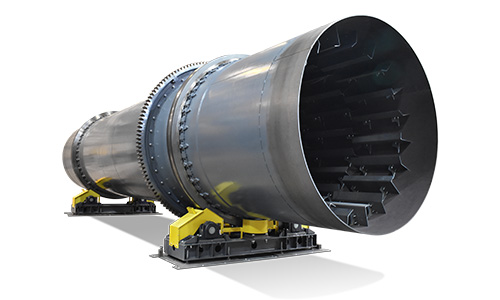
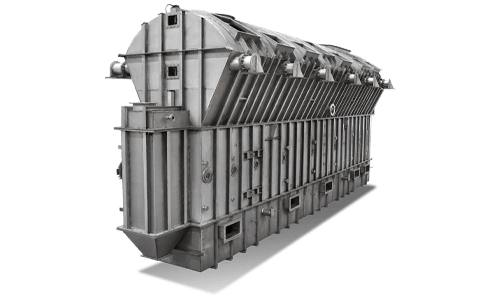
Livre blanc présenté

Découvrez le rôle essentiel du séchoir rotatif et du séchoir à lit fluidisé dans le traitement du sable de fracturation.
Découvrez nos solutions
Découvrez comment nos solutions de traitement thermique peuvent améliorer vos opérations, accroître votre efficacité et soutenir des pratiques durables. Prêt à moderniser votre traitement du sable et des granulats ? Contactez-nous pour en savoir plus sur nos solutions innovantes et sur la manière dont nous pouvons soutenir votre entreprise.
Engineered for the Demands of Sand & Aggregates Processing
Sand & Aggregates Processing Pain Points We Solve
- Inconsistent moisture content causing downstream handling and product quality issues
- Incomplete drying leading to clumping, material degradation, or rejection
- Equipment wear and premature failure from abrasive, high-density materials
- Dust carryover and fine particle loss during thermal processing
- Plugging and buildup in high-moisture or fine sand streams
- Variability in final product specifications affecting customer acceptance
- Throughput bottlenecks limiting production capacity
- High energy consumption in continuous drying or calcination operations
Sand and aggregates processing demands equipment that can withstand constant abrasion, handle significant weight and bulk density, and deliver consistent thermal performance across high-volume production cycles.
Heyl Patterson Thermal Processing designs rotary dryers, rotary coolers, and rotary calciners built specifically for the physical demands of sand, frac sand, silica, and aggregate materials.
Our systems support critical processing steps, including drying, cooling, moisture conditioning, and calcination, for applications in the construction, industrial, and energy sectors.
We deliver:
- Uniform heat distribution for complete and consistent drying
- Custom flighting designs optimized for sand particle size and bulk density
- Heavy-duty shell and drive construction for continuous-duty operations
- Airflow configurations that minimize fine particle entrainment and dust loss
We support:
- Moisture reduction to meet API and operator specification requirements
- Gentle material handling to preserve grain roundness and crush resistance
- High-capacity processing for continuous production environments
- Cooling after drying to prepare material for conveying and storage
HP Process equipment supports:
- Controlled cooling of processed sand and aggregate materials
- Stabilization prior to conveying, screening, and storage
- Minimized dust generation during discharge
- Consistent material temperature to support downstream handling
Why Choose Heyl Patterson
Sand & Aggregates Processors Need
- Durable equipment designed for abrasive, high-density materials
- Consistent moisture control to meet product specifications
- High-capacity systems for continuous industrial production
- Equipment engineered to minimize dust loss and fine particle carryover
- Custom internals optimized for sand and aggregate characteristics
- Reliable performance in high-volume, 24/7 operating environments

Heyl Patterson Thermal Processing Benefits
- Consistent product moisture content for improved downstream performance
- Reduced energy consumption through optimized heat transfer design
- Longer equipment life in abrasive, high-wear applications
- High reliability across continuous, high-volume production cycles
- Minimized material loss and dust carryover during processing
- System configurations tailored to plant layout, throughput, and material type
Technical Advantages
- Custom flighting and lifter designs for sand and aggregate materials
- Heavy-duty shell, trunnion, and drive assemblies for abrasive environments
- Advanced sealing systems to reduce dust leakage
- Direct heating configurations for high-efficiency sand drying
- Abrasion-resistant construction options for extended service life
- High-capacity designs supporting large-scale industrial operations
- Integration-ready designs for emission control and material handling systems
Applications
Construction & Infrastructure
- Concrete sand drying and moisture conditioning
- Aggregate drying for asphalt and road base production
- Processed sand for cement manufacturing
- Specialty aggregate thermal conditioning
Oil & Gas
- Frac sand drying to API specification moisture targets
- Silica sand processing for proppant production
- High-capacity continuous drying for oilfield supply operations
- Post-drying cooling for safe material handling and storage
Industrial Sand & Specialty Aggregates
- Silica sand processing for glass manufacturing
- Sand drying and reclamation
- Calcined sand for refractory and specialty applications
- Fine aggregate drying for industrial manufacturing processes
System Integration Capabilities
Our thermal systems integrate with:
- Vibrating screens and classifying equipment
- Belt and screw conveying systems
- Dust collection and emission control systems
- Material storage and loadout systems
- Automated feed and discharge systems
Every system is custom-engineered to meet:
- Moisture reduction targets and product specifications
- Throughput and production rate requirements
- Heat transfer efficiency goals
- Dust management and environmental compliance needs
- Plant layout and integration constraints
Complete Process Solutions Beyond Thermal Processing
In partnership with Carrier Process Equipment Group (CPEG), Heyl Patterson Thermal Processing can help integrate complementary equipment and technologies into a fully optimized production line from a single trusted source.
FAQs
What makes rotary dryers well-suited for sand and aggregate processing?
Rotary dryers are designed for high-volume, continuous operation and can handle the abrasive, dense nature of sand and aggregate materials. Custom internal flighting optimizes contact between material and the heated shell, delivering uniform moisture reduction across high throughput rates.
How does Heyl Patterson address equipment wear in abrasive sand applications?
Our systems are built with heavy-duty shells, abrasion-resistant internal components, and robust drive assemblies engineered to withstand the constant wear of sand and aggregate processing. We also offer custom material selections for flights and liners based on your material’s specific abrasion profile.
Can your systems meet frac sand moisture specifications?
Yes. Our rotary dryer systems are engineered to achieve precise moisture targets required for frac sand and proppant applications, including compliance with API standards. Controlled retention time and heat zone management support consistent, repeatable results.
How do you control dust and fine particle loss during sand drying?
Heyl Patterson systems incorporate advanced sealing technology, optimized airflow configurations, and integration with dust collection systems to minimize fine-particle entrainment and carryover during the drying process.
What throughput ranges can your sand processing systems accommodate?
We design rotary dryers and coolers for a wide range of production scales, from smaller specialty operations to very high-capacity frac sand and aggregate facilities operating 24 hours a day. Systems are custom-engineered to meet your specific production requirements.
Devenez notre partenaire.
Heyl Patterson Thermal Processing helps industries transition to sustainable energy by providing custom-engineered rotary dryers and calciners for efficient biomass conversion. Their team partners with producers to deliver complete thermal systems that improve product quality and operational reliability, thereby reducing reliance on fossil fuels.