

Li-ion Battery Minerals Processing & Recycling
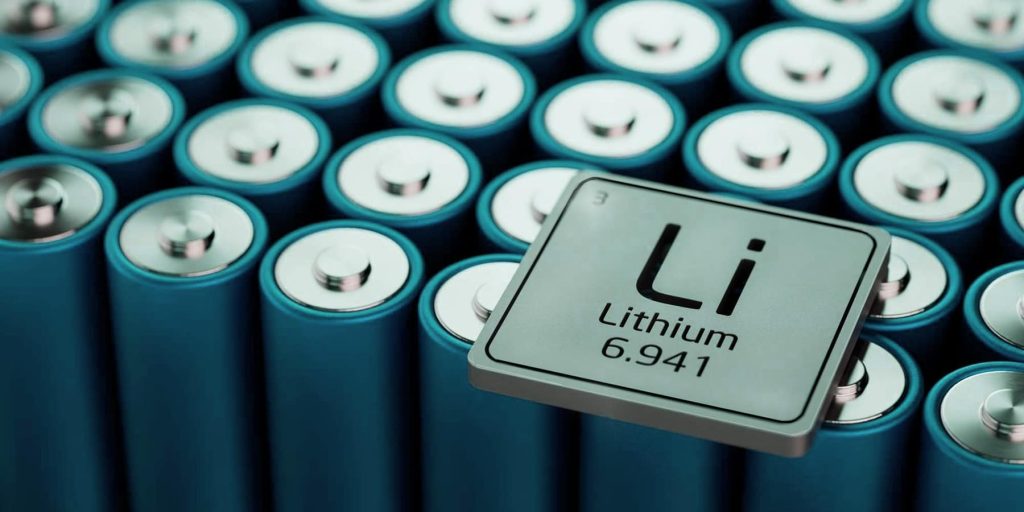
Lithium-ion batteries are at the forefront of the rapidly evolving energy storage landscape, powering everything from electric vehicles to renewable energy storage systems. The demand for high-performance batteries has never been greater, so advanced thermal processing solutions are needed to ensure quality, efficiency, and safety in battery production. At Heyl Patterson Thermal Processing, we understand the critical role of precision thermal processing of the minerals used in lithium-ion battery manufacturing. Our expertise in designing and engineering custom thermal processing solutions provides the technology that battery manufacturers need to meet the industry’s rigorous demands.
Custom Solutions for Processing Lithium-Ion Battery Minerals


Featured White Paper

Learn why process testing the minerals that make up lithium-ion batteries is critical to the success of production.

Request a Battery Materials Processing Evaluation
From precursor synthesis to black mass recycling, Heyl Patterson Thermal Processing designs high-performance systems for the rapidly expanding lithium-ion battery market.
Engineered for Rapid Growth of Lithium Battery Production & Recycling
Battery Material Processing Pain Points We Solve
- Inconsistent calcination or thermal reaction profiles
- Poor heat distribution causing material degradation
- Dust carryover and material loss
- Uncontrolled atmosphere conditions
- Equipment wear from abrasive or sticky materials
- Temperature variability impacting electrochemical performance
- Bottlenecks in black mass recycling lines
- High maintenance associated with non-specialized systems
Lithium material processing demands precise temperature control, tight atmosphere management, and equipment built for abrasive, reactive, and thermally sensitive materials.
Heyl Patterson Thermal Processing designs rotary calciners, rotary dryers, rotary coolers, and engineered thermal systems used in both battery material production and end-of-life recycling workflows.
Our high-temperature rotary systems support every major step in lithium-ion supply chains—from precursor cathode synthesis to black mass drying and refinement.
We deliver:
- Tightly controlled temperature profiles for phase changes
- Inert or specialty atmospheres to prevent contamination
- Custom internal components for uniform particle exposure
- High-temperature materials that withstand reactive compounds
We support:
- Solvent evaporation
- Thermal densification
- Pre-treatment for hydrometallurgical
- Pre-treatment for pyrometallurgical processes
- Residual plastic or binder removal
HP Process equipment supports:
- Controlled drying of black mass prior to separation
- Safe handling of volatile or reactive off-gases
- Even material distribution to prevent hotspots or degradation
Why Choose Heyl Patterson
Battery Material Processors Need
- Designs for high-temperature calcination (precursors, LFP, NMC)
- Precise control of residence time, temperature profiles & gas atmospheres
- Engineered to handle abrasive, high-value, and sensitive powders
- Proven performance with sticky, fine, or dust-prone materials
- Built for continuous-duty, round-the-clock operation
- Customizable internals for optimized heat transfer & mixing efficiency

Heyl Patterson Benefits
- Precise thermal control for sensitive chemistries
- Reduced operational cost through efficient heat transfer
- Longer equipment life from heavy-duty construction
- High reliability in 24/7 battery material processing
- Improved product uniformity and yield
- System configuration tailored to your exact material
Technical Advantages
- Controlled atmosphere capabilities (N₂, O₂-limited, inert systems)
- High-temperature construction suitable for reactive materials
- Custom lifter and internal designs for optimized heat exposure
- Advanced sealing systems to maintain atmosphere integrity
- Engineered refractory and insulation options
- Robust shell and drive designs for demanding duty cycles
- Indirect heating for delicate materials to avoid product entrainment
Applications
Synthesis & Production
- Precursor cathode material calcination
- LFP and NMC synthesis
- Metal hydroxide processing
- Thermal stabilization of fine powders
Recycling & Refining
- Black mass drying
- Material pre-treatment before chemical extraction
- Binder burnout or thermal conditioning
- Thermal stabilization of fine powders
Critical Minerals/Raw Materials
- Lithium salts
- Nickel, manganese, cobalt intermediates
- Carbon materials (graphite alternatives)
System Integration Capabilities
Our thermal systems integrate seamlessly with:
- Precursor mixers & reactors
- Material handling lines
- Inert gas supply systems
- Off-gas treatment and emission control
- Milling, separation, and refinement equipment
- Automated feed and discharge systems
Every system is custom-engineered to meet:
- Particle size targets
- Residence time requirements
- Heat transfer profiles
- Atmosphere control (inert, oxidizing, reducing)
- Throughput and plant layout constraints
FAQ’s: Lithium Battery Thermal Processing
Why is calcination so critical for LFP and NMC materials?
Calcination determines phase formation and material structure – both essential for achieving required electrochemical performance.
Can rotary calciners handle highly reactive or oxygen-sensitive materials?
Yes. HP Process calciners can operate under inert or controlled atmospheres, preventing contamination or unwanted reactions.
How does thermal drying support black mass recycling?
Removing moisture and solvents early improves separation efficiency and protects downstream equipment from corrosion or fouling.
Are rotary systems suitable for ultra-fine or dust-prone battery materials?
Absolutely. Our systems are engineered with advanced seals, dust control features, and custom internals for fine powders.
How do custom internals improve heat transfer?
Lifters and mixing elements uniformly expose particles, ensuring consistent thermal contact and preventing degradation.

Partner With Us.
As the lithium-ion battery market grows, so does the need for reliable, efficient, and precise thermal processing solutions. Heyl Patterson Thermal Processing is your partner in powering the future with advanced equipment designed to meet tomorrow’s challenges. Explore how Heyl Patterson Thermal Processing can enhance your lithium-ion battery production process. Contact our team to discuss your needs and learn more about our customized solutions.