
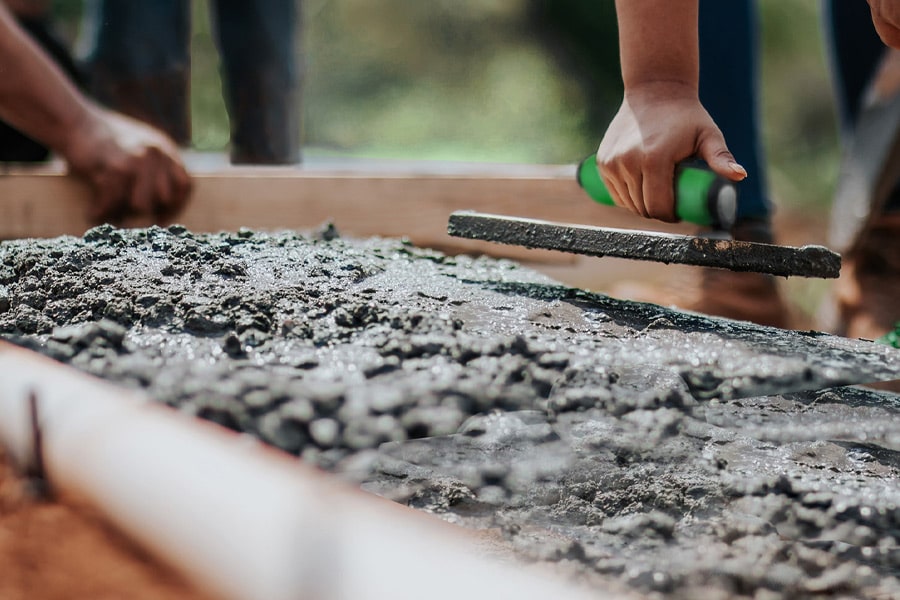
A medida que las industrias de todo el mundo se esfuerzan por encontrar soluciones más sostenibles, las cenizas volantes, un subproducto de la industria del carbón, se han situado inesperadamente a la vanguardia de estas iniciativas. Las cenizas volantes de carbón, que antes se consideraban un estorbo, ahora se elogian por su potencial para revolucionar la industria de la construcción ymarcar el comienzo de una era de prácticas de construcción sostenibles y rentables.
So, what is fly ash, and what makes it so remarkable? Fly ash, the fine powdery residue left after coal is burned in power plants, is packed with silica, alumina, and iron, all of which are also cement constituents. This makes fly ash an ideal substitute for cement, delivering similar, if not better, performance while significantly reducing the environmental footprint.
Los beneficios medioambientales y económicos de las cenizas volantes
The benefits of fly ash are multifold, but its greatest advantage lies in its potential to mitigate carbon emissions. Traditional cement production is energy-intensive and releases significant carbon dioxide (CO2) into the atmosphere. Now, consider how much CO2 we can prevent from entering the atmosphere by using more fly ash instead of cement. The implications are enormous, especially given the urgent need to curb greenhouse gas emissions to combat climate change.
Pero el uso de cenizas volantes no solo sirve para reducir las emisiones de carbono, sino también para abaratar los costes de construcción. Al tratarse de un producto residual, las cenizas volantes son fáciles de obtener ymás baratas que el cemento. Además,mejoran la durabilidad y la resistencia del hormigón, lo que a la larga puede suponer un ahorro en los costes de mantenimiento y reparación.
Preparación de cenizas volantes para su uso
To harness the full benefits of fly ash, it must be properly processed, which involves drying and conditioning. This is where specialized solutions from Heyl Patterson come into play.
At Heyl Patterson Thermal Processing, our dryers are designed to efficiently dry and classify fine particles, such as fly ash reclaimed from landfills and ponds, for use in concrete and other applications. After drying, our de-carbonizers effectively remove any unburnt carbon residuals and other hazardous contaminants that harm humans and the environment.
These dryers can handle large volumes and are integral to scaling up fly ash use in construction.
Las cenizas volantes en el mundo real
Las cenizas volantes han sido un componente clave en la construcción con hormigón en todo el mundo durante más de medio siglo. Cada año, se utilizan millones de toneladas de cemento y hormigón solo en Estados Unidos y Europa. Su uso está tan extendido que es difícil imaginar la construcción con hormigón sin ellas. Las cenizas volantes se han utilizado en diversosproyectos importantes, desde presas y centrales eléctricas hasta autopistas y edificios residenciales. La Torre Picasso en Madrid, las Torres Castor y Pollux en Fráncfort, la presa de Puylaurent en Francia y elpuente Hoover Dam Bypass en Arizona incluyen cenizas volantes, lo que reduce significativamente la huella de carbono de estos proyectos.
El futuro de las cenizas volantes de carbón
El futuro de las cenizas volantes parece prometedor, gracias al creciente reconocimiento de sus ventajas y al aumento del apoyo normativo. A medida que más constructores, ingenieros y arquitectos reconozcan las ventajas en términos de ahorro de costes y reducción de emisiones de carbono, es probable que las cenizas volantes se conviertan en un elemento básico de las prácticas de construcción sostenible.
Yet, it’s important to remember that maximizing the benefits of fly ash requires reliable, versatile, and energy-efficient processing solutions. At Heyl Patterson Thermal Processing, we’re committed to delivering such solutions that help industries make the most of this versatile material.
Fly ash holds tremendous potential as an eco-friendly alternative to traditional cement. Its use brings cost benefits and significantly reduces our carbon footprint. With the right equipment and processes, the full benefits of fly ash can be harnessed, propelling us toward a greener, more sustainable future.
Póngase en contacto con nosotros paraobtener más información o solicitar un presupuesto hoy mismo.
Last updated on April 6th, 2026 at 12:33 pm