
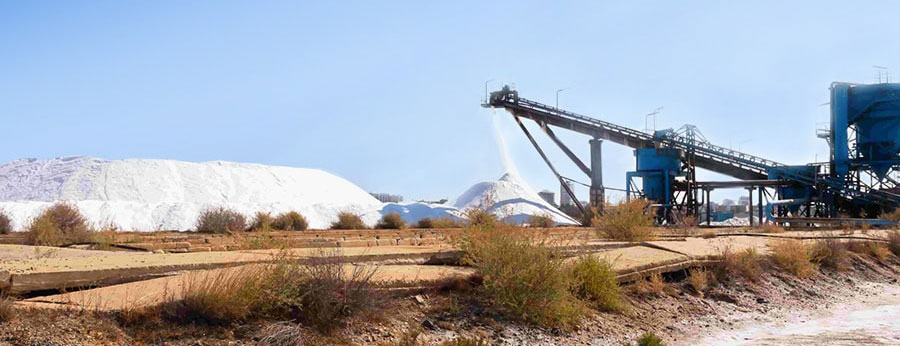
Why the Clean Energy Revolution Depends on Responsible Mining
Sustainable mineral extraction is the practice of mining critical minerals while minimizing environmental and social impacts. It involves integrating renewable energy, adopting circular-economy principles, and implementing robust governance to balance soaring demand for clean-energy minerals with the protection of ecosystems and communities.
Key components include:
- Climate-Smart Mining – Minimizing the carbon footprint.
- Water Stewardship – Efficiently using and recycling water.
- Waste Reduction – Reusing tailings and byproducts.
- Renewable Energy – Powering operations with clean sources.
- Community Engagement – Ensuring local populations benefit.
- Circular Economy – Recycling materials to reduce virgin extraction.
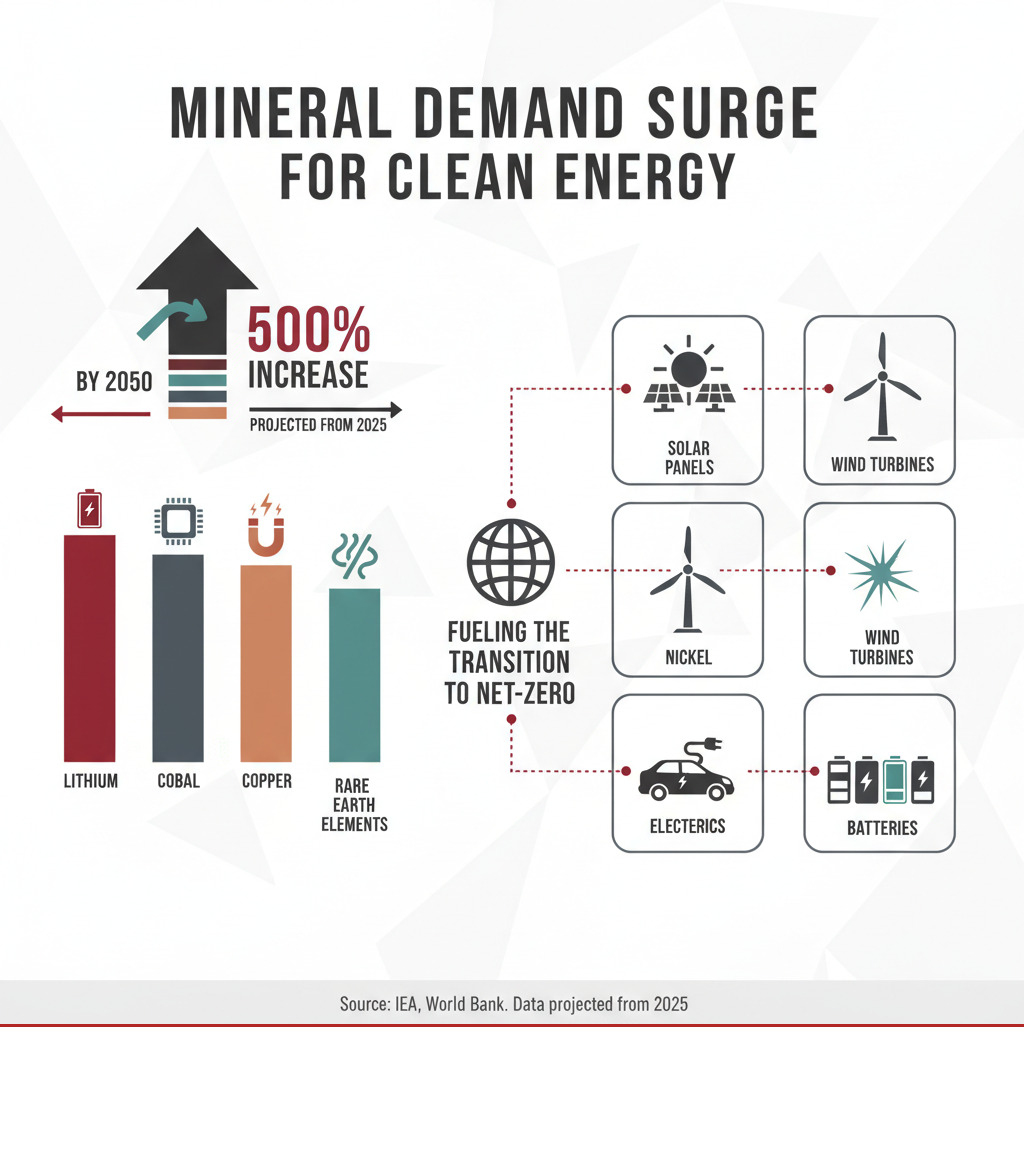
We face a paradox: the clean energy transition requires a massive increase in mineral extraction. Production of minerals like graphite, lithium, and cobalt could increase by nearly 500% by 2050 to meet demand for solar panels, wind turbines, and EV batteries. Over 3 billion tons of minerals will be needed for a below 2°C future.
However, traditional mining has a legacy of environmental damage and social harm, from habitat destruction to dangerous working conditions. The irony is stark: we need minerals for a sustainable future, but their extraction has often been unsustainable.
The solution isn’t to stop mining—that would halt the energy transition. Instead, we must transform how we extract and process these materials. This means integrating renewable energy, adopting precision technologies, recycling waste, and ensuring communities benefit.
For operations managers in thermal processing, this shift presents both challenges and opportunities. Processing minerals like lithium and cobalt requires efficient equipment that meets stringent environmental standards. The demand for climate-smart processing solutions—dryers, coolers, and calciners that optimize energy use and minimize emissions—is growing as rapidly as mineral demand itself.
The Double-Edged Sword: Mineral Demand vs. Environmental Impact
The clean energy revolution requires massive amounts of raw materials, but extracting them has historically come at a steep cost to the planet and local communities. The path forward isn’t to abandon mining, which would make the energy transition impossible, but to fundamentally transform it through sustainable mineral extraction.
Critical Minerals Fueling the Clean Energy Transition
Clean energy technologies depend on a set of “critical minerals” that are relatively scarce, economically vital, and vulnerable to supply chain disruptions. The demand for them is set to explode.
- Lithium – The key ingredient in lithium-ion batteries for EVs and electronics. By 2050, demand could be nine times the world’s 2022 production. Learn more about Innovations in Lithium Mining: Enhancing Production.
- Cobalt – Essential for battery cathodes, improving performance and longevity in EVs.
- Nickel – Increasingly important for high-energy density batteries that extend EV range.
- Copper – The workhorse of the transition, used extensively in wind power, wiring, and motors.
- Rare Earth Elements (REEs) – A group of 17 elements crucial for the powerful magnets in wind turbines and EV motors.
The numbers are sobering. In 2023, demand for nickel, cobalt, and graphite grew by 8-15%. Overall production of minerals like graphite, lithium, and cobalt could increase by nearly 500% by 2050. Over 3 billion tons of minerals are needed to deploy the renewable energy and storage required to keep global warming below 2°C. As Carbon Brief explains, these six metals are key to a low-carbon future. This immense demand underscores why Lithium-Ion Battery Minerals are so critical.
The True Cost of Conventional Mining
We need these minerals, but we can’t ignore the damage caused by traditional mining. The question isn’t whether to disturb the environment, but how to minimize and repair the damage.
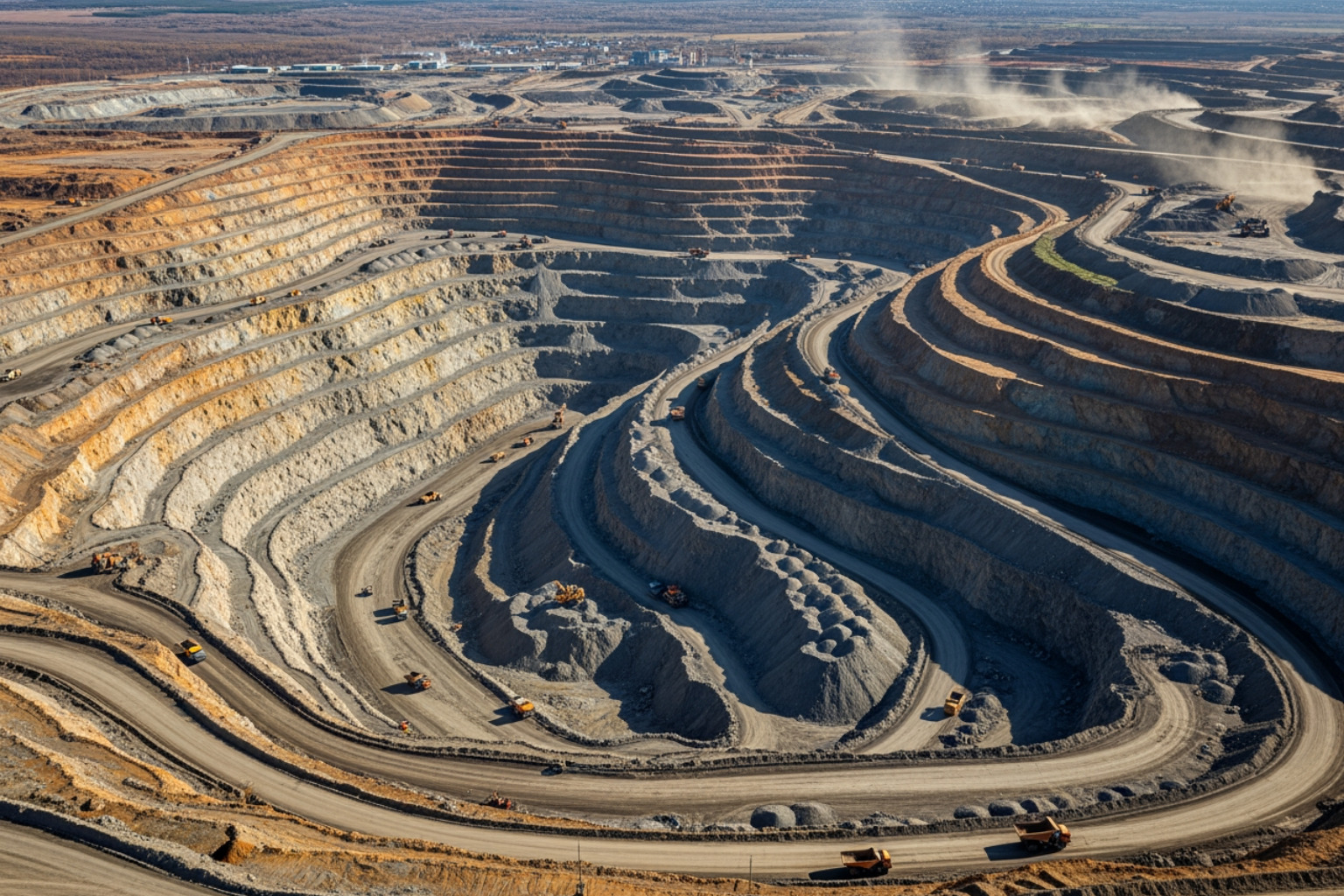
On the environmental side, large-scale mines cause massive habitat destruction and biodiversity loss. Poorly regulated operations contaminate water sources with acid mine drainage and chemical spills. The energy-intensive processes also contribute significantly to greenhouse gas emissions, while mining activities strip topsoil and leave land infertile. Toxic waste stored in tailing dams poses long-term risks. The 2015 collapse of a Brazilian mine released a flood of toxic mud, a grim reminder of the catastrophic consequences of irresponsible mining.
The social challenges are equally serious. Mining can displace communities, disrupt livelihoods, and overwhelm local infrastructure. In some regions, it’s linked to forced labor, child labor, and unsafe working conditions, particularly in artisanal and small-scale mining. The allure of mineral wealth can also fuel corruption, diverting benefits from local populations.
These challenges make it clear: ramping up extraction with old methods would be a disaster. We need a fundamentally different approach, where sustainable mineral extraction is an absolute necessity for a better future.
A New Blueprint: The Climate-Smart Mining Framework
The good news is that a path forward has already been mapped out. The World Bank’s Climate-Smart Mining initiative offers a comprehensive roadmap for responsibly managing minerals from extraction to end use.
What is Climate-Smart Mining?
Climate-Smart Mining is designed to help resource-rich developing countries manage the surging demand for minerals without repeating past mistakes. The goal is to transform the entire value chain by minimizing environmental damage, reducing carbon emissions, and ensuring communities benefit from the resources beneath their feet.
The framework focuses on minimizing the environmental, climate, and social footprints of mining activities while aligning them with the UN Sustainable Development Goals. This includes better waste management, biodiversity protection, integration of renewable energy, respect for human rights, and meaningful community engagement. It provides practical building blocks for mining operations to implement, moving beyond aspirational guidelines. You can explore the complete details in the Climate-Smart Mining Framework.
Empowering Resource-Rich Developing Countries
Many of the world’s richest deposits of critical minerals are in developing nations, creating both a huge opportunity and a significant risk.
Without thoughtful approaches, increased demand could worsen environmental and social harm. With the right framework, these countries can turn mineral wealth into lasting prosperity.
Climate-Smart Mining helps by:
- Creating economic opportunities beyond the mine itself, generating jobs and diversifying local economies.
- Strengthening governance through transparent policies and accountable management of mineral revenues to combat corruption.
- Providing capacity building through technical assistance and training, empowering local governments, communities, and companies with best practices.
- Emphasizing benefit sharing, ensuring communities see tangible improvements in schools, healthcare, and infrastructure.
- De-risking investments for responsible companies by promoting stable, sustainable resource development strategies.
Through technical support for sustainable extraction and processing, the initiative ensures that sustainable mineral extraction becomes the norm. This is how Mineral-Rich Developing Countries Can Drive a Net-Zero Future – by turning a potential resource curse into a pathway toward prosperity. For thermal processing operations, this shift means a growing demand for equipment that meets higher environmental standards while maintaining efficiency.
Innovations in Sustainable Mineral Extraction and Processing
The shift to sustainable mineral extraction is happening on the ground, where innovative technologies are changing how we extract and handle critical minerals. These approaches make it possible to meet growing demand while protecting the planet.
The Path to Sustainable Mineral Extraction
Instead of massive excavations, modern extraction methods offer a more precise and less invasive approach.
- In-situ leaching dissolves minerals directly from the ore body underground, eliminating the need for large open pits and mountains of waste rock. It’s a surgical approach that leaves the surface largely undisturbed.
- Bio-mining uses microorganisms to extract metals from ores without harsh chemicals. This environmentally friendly process is often cost-effective for lower-grade ores. For more on these advances, see Innovations in Lithium Mining: Enhancing Production.
- Precision drilling, guided by advanced geological mapping, allows operations to target valuable minerals exactly, reducing unnecessary excavation and environmental impact.
Once extracted, minerals require processing. Advanced thermal processing technology is critical here. Modern Calciners and Rotary Dryers & Coolers are engineered for maximum efficiency, minimizing energy use and emissions while handling diverse materials.
Greening the Entire Operation
True sustainability extends to every aspect of a mining operation.
Renewable energy integration is becoming common, with solar panels and wind turbines powering mine sites. The B2Gold Otjikoto Mine in Namibia, for example, gets 30-40% of its power from solar. Globally, mines have installed over 1 gigawatt of renewable capacity, with another gigawatt in development. This provides cost savings and energy independence. Learn more about The Renewable Power of the Mine.
Sophisticated water management is also essential, especially in water-stressed regions. Modern operations treat and recycle wastewater, with some achieving near-zero discharge through closed-loop systems.
The integration of digital technologies (Mining 4.0) is transformative. AI and the Internet of Things create smart, responsive systems. Real-time data analysis optimizes processes, reduces waste, and improves efficiency. AI-powered predictive maintenance minimizes downtime, while autonomous vehicles improve safety and precision. These digital systems integrate with modern thermal processing equipment, ensuring optimal performance. Understanding A Guide to Drying Technologies: Which One Suits Your Needs? can significantly improve efficiency and sustainability.
The result is mining operations that are cleaner, safer, and more sustainable than ever before. As mineral demand climbs, these innovations are necessities.
The Circular Economy and Responsible Waste Management
Here’s something that might surprise you: the most sustainable mineral isn’t one we dig out of the ground – it’s one we recover from products we’ve already used. This is the heart of the circular economy approach to mining, and it’s changing how we think about waste.
For decades, mining operated on a simple linear model: extract, use, discard. But this approach leaves behind mountains of waste and demands ever more virgin materials from the earth. The circular economy flips this thinking entirely. Instead of treating used products and mining byproducts as trash, we recognize them for what they really are – valuable resources waiting for a second life.
Closing the Loop: Recycling and Eco-Design
The best way to reduce environmental impact from mining? Mine less. And the best way to mine less is to recover and reuse the materials we’ve already extracted.
When we recycle critical minerals from end-of-life products – especially lithium-ion batteries and electronics – we directly reduce the pressure on primary extraction. Setting ambitious recycling targets for materials like lithium, cobalt, and nickel means fewer new mines need to open, fewer communities face disruption, and less habitat gets destroyed.
But recycling alone isn’t enough. We need products designed for recycling from day one. Eco-design incentives encourage manufacturers to create batteries and electronics that are easier to disassemble and use materials that are easier to separate and recover. When a product is designed with its end-of-life in mind, recovery rates skyrocket.
This is where thermal processing becomes crucial. Recovering battery materials requires precise control over temperature and atmosphere during processing. Our specialized equipment enables efficient extraction of valuable minerals from spent batteries, turning yesterday’s power source into tomorrow’s raw material. For operations managers looking to enter this growing field, our LI-ION Battery Minerals Processing & Recycling Solutions provide the technical foundation needed to succeed.
The impact extends throughout the entire production cycle. By optimizing material use at every stage – from initial product design through manufacturing and eventually recycling – we create a system that continuously reduces demand for virgin extraction. This holistic approach to Optimizing Lithium-Ion Battery Material Production with Thermal Processing demonstrates how sustainable mineral extraction increasingly means not extracting at all.
From Waste to Value: A New Approach to Tailings and Byproducts
Walk past any traditional mine, and you’ll likely see massive tailing dams – artificial ponds holding the crushed rock and chemicals left over from mineral processing. These structures represent both an environmental liability and a colossal waste of potential value.
The circular economy asks a better question: what if we stopped seeing tailings as waste and started treating them as tomorrow’s resource?
Dry stacking of tailings eliminates the need for hazardous tailing dams entirely, storing processed waste as stable, compacted material that poses far less environmental risk. Even better, we’re learning to extract residual metals from old tailings, essentially re-mining previous mining projects without disturbing any new land.
Mining waste has found surprising new applications in construction. Slag from steelmaking and processed mining waste can become high-quality aggregates or cement substitutes, keeping virgin materials in the ground while providing essential building materials. This change from liability to asset represents the circular economy at its best.
One particularly exciting development involves coal fly ash – the fine powder left over from coal-fired power generation. While coal itself isn’t part of our clean energy future, the fly ash already sitting in disposal sites contains valuable minerals, including lithium. Through thermal processing, we can beneficiate this material, recovering useful components while preventing millions of tons from entering landfills.
Our work in Waste Recycling demonstrates these possibilities. By Going Green with Coal Fly Ash, operations can turn a disposal problem into an economic opportunity – and reduce the need for primary mineral extraction in the process.
Formalizing Artisanal and Small-Scale Mining (ASM)
Not all mining happens with billion-dollar equipment and multinational corporations. Across the developing world, millions of people work in artisanal and small-scale mining (ASM) – often with little more than hand tools, extracting critical minerals that eventually end up in our phones, laptops, and electric vehicles.
The uncomfortable truth is that ASM produces a significant share of the world’s cobalt, gold, and other critical minerals, yet it often operates in legal gray areas, with minimal environmental controls and serious human rights concerns. The easy response would be to simply avoid ASM supply chains entirely. But that approach often backfires, cutting off livelihoods without addressing the underlying issues – sometimes making conditions even worse.
The sustainable path forward involves formalization – helping informal miners transition to regulated, legally recognized operations. This means providing legal status, access to better markets, and the ability to earn fair prices for their work.
But legal recognition alone isn’t enough. These miners need capacity-building: training in safer extraction techniques, environmental management practices, and basic business skills to help them operate more efficiently and profitably. They also need technical support – access to appropriate technologies and equipment that improve both productivity and environmental outcomes without requiring massive capital investment.
When done right, formalizing ASM improves environmental, social, and governance (ESG) outcomes across the board. Miners work more safely, earn better incomes, and adopt practices that protect local ecosystems. Communities benefit from more stable economic activity without the environmental degradation that comes from unregulated extraction.
This approach recognizes a fundamental reality: these miners aren’t going away, and their work provides essential livelihoods. The question isn’t whether ASM will continue, but whether we’ll help make it sustainable. As explored in this blog on how to make artisanal and small-scale mining forest-smart, supporting rather than abandoning these communities creates better outcomes for everyone – the miners, their families, their environment, and the global supply chain that depends on their work.
Governance, Finance, and Policy for a Sustainable Future
Technology alone won’t deliver sustainable mineral extraction. We also need smart governance, responsible finance, and thoughtful policy to guide the industry toward a better future. Think of it this way: innovation gives us the tools, but governance and finance determine how – and where – those tools get used.
The reality is that mining is expensive and risky. Projects require massive upfront capital, operate in remote locations, and face geological uncertainties. Without the right financial incentives and regulatory frameworks, even the best sustainable practices struggle to gain traction.
Reforming Finance for Responsible Mining
Money talks, especially in mining. The good news? We’re seeing a fundamental shift in how capital flows toward the sector.
ESG reporting is no longer just a nice-to-have – it’s becoming essential. Most mining companies now recognize that strong Environmental, Social, and Governance standards actually attract investors rather than scare them away. Here’s the surprising part: maintaining high environmental standards typically adds less than 25% to operational costs. That’s a modest premium for operations that are more resilient, face fewer disruptions, and enjoy better community relations.
Financial institutions are strengthening their capacity to identify and fund mining projects that meet rigorous ESG criteria. This means companies can’t just talk about sustainability – they need to prove it through transparent reporting and measurable outcomes.
Sustainable finance taxonomies are opening new doors. When mining operations meet high ESG standards, they increasingly qualify for “sustainable finance” and “climate finance” – categories that open up significant capital pools previously unavailable to the sector. This shift links mining investments directly to climate and nature-positive outcomes.
De-risking investments is particularly crucial for developing countries rich in critical minerals. Public-private partnerships and innovative financial mechanisms help reduce the perceived risk of sustainable mining projects, making them more attractive to responsible investors.
The scale of investment needed is staggering. According to the IEA report on investments for net zero by 2050, achieving net zero by 2050 requires investments in energy transition minerals of up to USD 450 billion by 2030 and USD 800 billion by 2040. That’s serious money that must flow to responsible operations if we want a truly sustainable energy transition.
Key Recommendations for Sustainable Mineral Extraction
The UN report on responsible financing and investment makes it clear: critical mineral supply chains cannot be secure, reliable, and resilient unless they’re also sustainable and responsible. Failure to manage environmental and social impacts doesn’t just harm communities and ecosystems – it disrupts supply, deters investment, and slows the entire clean energy transition.
Policymakers need to create the right environment. This means implementing robust legal and regulatory frameworks that protect the environment, workers, Indigenous Peoples, and local communities – with real enforcement behind them. It’s not enough to have laws on paper; they must be actively applied. Governments can also channel public spending to incentivize better ESG practices, rewarding companies that go beyond minimum compliance. Strengthening data collection and transparency across supply chains enables benchmarking and helps everyone track real progress. International cooperation through multilateral initiatives helps harmonize standards globally, preventing a race to the bottom.
Companies must walk the talk on sustainability. This starts with improving transparency throughout the supply chain and undertaking rigorous due diligence to identify and address risks before they become crises. ESG considerations need to be embedded in every operational decision – from initial project planning through to mine closure. This includes managing impacts on water resources, reducing greenhouse gas emissions, protecting biodiversity, respecting human rights, engaging communities meaningfully, and implementing robust anti-corruption measures. Mining companies should engage authentically with local communities and Indigenous Peoples, respecting their rights and ensuring they share in the benefits. Strong anti-bribery policies and internal controls aren’t just ethical necessities—they’re fundamental to building trust and ensuring long-term operational success.
Investors hold enormous power to drive change. By integrating ESG performance into investment decisions, they can prioritize companies with genuine sustainability commitments. Active engagement with portfolio companies encourages improved practices and greater transparency. Supporting financial mechanisms that direct capital toward responsible mining helps create a virtuous cycle where sustainable operations receive preferential access to capital.
For companies like Heyl Patterson providing thermal processing equipment, these governance and finance reforms create a clear market signal. Operations that invest in high-efficiency, low-emission processing technologies – like our Calciners and Rotary Dryers & Coolers – are better positioned to meet ESG criteria and attract responsible investment. Our Test Lab helps operations validate and optimize their processing parameters, ensuring they meet both production targets and environmental standards.
The path forward requires everyone to play their part. When governance, finance, and policy align with technological innovation, we create an industry that can truly power the clean energy transition without compromising the planet or its people.
Conclusión
We’ve arrived at a moment of truth in the clean energy transition. The minerals we need – lithium, cobalt, nickel, copper, and rare earth elements – aren’t optional extras. They’re the building blocks of every solar panel, wind turbine, and electric vehicle battery that will power our sustainable future. And the demand isn’t slowing down; it’s accelerating at a pace that would have seemed unimaginable just a decade ago.
But here’s what we’ve learned: sustainable mineral extraction isn’t just a nice-to-have. It’s the only viable path forward. The old ways of mining – with their legacy of habitat destruction, water pollution, and community displacement – simply won’t cut it anymore. We can’t build a cleaner future on practices that harm the planet and its people.
The good news? We’re seeing real innovation across the entire mining value chain. Advanced extraction techniques, such as biomining and in-situ leaching, are reducing surface disturbance. Renewable energy is powering operations that once relied entirely on fossil fuels. Digital technologies are optimizing resource use and minimizing waste. And perhaps most importantly, we’re starting to see mining waste not as a problem to dispose of, but as a resource to recover and reuse.
The circular economy principles we’ve discussed – recycling end-of-life batteries, converting tailings into construction materials, recovering valuable minerals from fly ash – these aren’t just theoretical concepts. They’re happening now, reducing the pressure on virgin mineral extraction while creating new economic value.
And let’s not forget the human element. Efforts to formalize artisanal and small-scale mining, strengthen governance frameworks, and ensure communities actually benefit from mineral development are reshaping how we think about resource extraction. This isn’t just about rocks and metals; it’s about people’s livelihoods and futures.
At Heyl Patterson, we see our role clearly. Our engineered thermal processing equipment – the dryers, coolers, and calciners that handle everything from lithium processing to battery recycling – plays a crucial part in making this transition work. We’re not just building machines; we’re enabling the technologies that make sustainable mineral extraction possible. Our Test Lab exists precisely to help our partners validate new approaches, whether that’s optimizing mineral processing efficiency or changing waste streams into valuable products.
The clean energy revolution depends on innovation, yes, but also on commitment. It requires collaboration between policymakers who create smart regulations, companies that accept responsible practices, investors who support sustainable operations, and technology providers like us who deliver the equipment to make it all work efficiently.
The path to net-zero by 2050 is mineral-intensive – there’s no getting around that. But with the right combination of advanced technology, circular-economy thinking, and strong governance, we can ensure those minerals are extracted and processed in ways that honor both people and the planet. The future of clean energy doesn’t have to come at the expense of environmental health or social justice. In fact, it can’t.
If you’re working in mineral processing and wondering how advanced thermal processing technology fits into this new landscape, we invite you to explore what’s happening in the Mining & Minerals industry. The change is already underway, creating opportunities for those ready to adopt a more sustainable approach.
Last updated on November 2nd, 2026 at 01:36 pm