

Selecting a suitable dryer for your operation significantly impacts your efficiency, product quality, and bottom line. Fluid bed dryers and rotary dryers are both well-established technologies, each offering specific advantages depending on your material and process needs. But which one is right for your operation?
Fluid Bed Dryers: A Versatile and Energy-Efficient Option
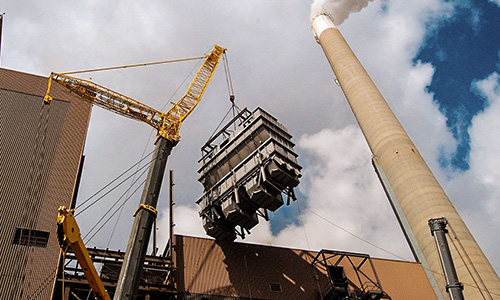
Fluid bed dryers use a unique fluidization method to suspend materials in a stream of rising air or gas, creating a dynamic environment that promotes efficient heat transfer.
Key Features of Fluid Bed Dryers
Fluid bed dryers efficiently handle a wide variety of free-flowing materials. Key features include:
- Minerals, Chemicals, Grains, and Biomass: Capable of drying a broad range of materials.
- Energy-Efficient Operation: They maximize heat transfer through fluidization, ensuring energy-efficient operation while gently handling the material.
- Custom Configurations: Available in several configurations, such as trough-type, circular type, and vibrating designs, allowing for customization based on specific material characteristics.
- Cooling Flexibility: Cooling can be provided through standalone or integrated coolers, making it easier to manage product temperatures post-drying.
With these flexible features, it’s no surprise that they are often favored for delicate or hard-to-handle materials.
Ideal Applications for Fluid Bed Dryers
Fluid bed dryers are often ideal for processing materials like:
- Coal
- Metallurgical Ores
- Plastics and Rubber
- Hemp and Biomass
If you aim to dry materials with minimal energy consumption and high efficiency, a fluid bed dryer might be the best fit.
Rotary Dryers: A Reliable Workhorse for Bulk Solids
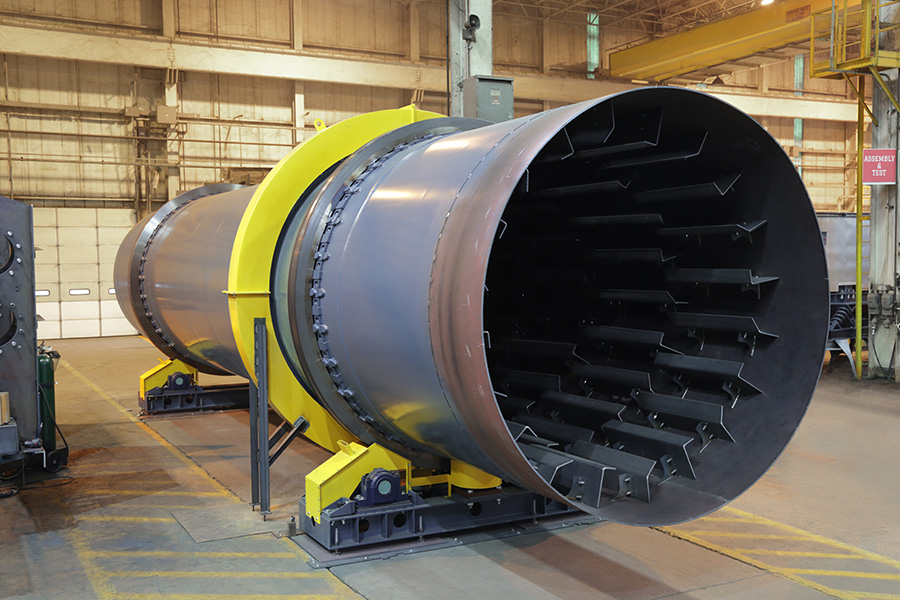
Rotary dryers can process large volumes of material. These machines are cylindrical, rotating drums that expose the material to hot gases, facilitating evaporation and drying.
Key Features of Rotary Dryers
Rotary dryers excel in handling bulky, non-uniform materials and can be fine-tuned to meet various application needs. Key features include:
- Versatile Material Handling: Rotary dryers are highly versatile, capable of processing powders, bulk solids, and liquid sludges.
- Large Size Capabilities: Available in sizes up to 16 feet in diameter and over 100 feet in length, making them suitable for large-scale operations.
- Customizable Drying Methods: They offer flexibility in design, allowing control over temperature and drying methods.
- Cooling Options: Various cooling designs, including air-cooled or water-cooled systems, can be integrated based on the product and process requirements.
The size and design of rotary dryers make them a top choice for high-volume processing in industries like fertilizer, paper pulp, and biomass.
Ideal Applications for Rotary Dryers
Rotary dryers are well-suited for processing:
- Hemp and Biomass
- Carbon Fiber
- Fertilizers
- Industrial Minerals and Chemicals
Rotary dryers are ideal if you need to handle large quantities of material or require a system that can be customized to meet specific drying requirements, such as variable moisture levels and extended retention times.
Choosing the Right Dryer for Your Application
Selecting between a fluid bed dryer and a rotary dryer ultimately comes down to your specific needs and material characteristics. Fluid bed dryers are ideal for applications requiring gentle treatment, energy efficiency, and precise control over product moisture content. Meanwhile, rotary dryers excel at handling large volumes of bulk materials, offering reliability and versatility in challenging industrial settings.
Ready to find the perfect drying solution for your operation? Contact Heyl Patterson Thermal Processing today to request a quote. We’ll help you take the next step towards optimizing your production.
Last updated on December 18th, 2025 at 03:54 pm